3,000-meter Peaks in the Wipptal – 3 Summit Recommendations
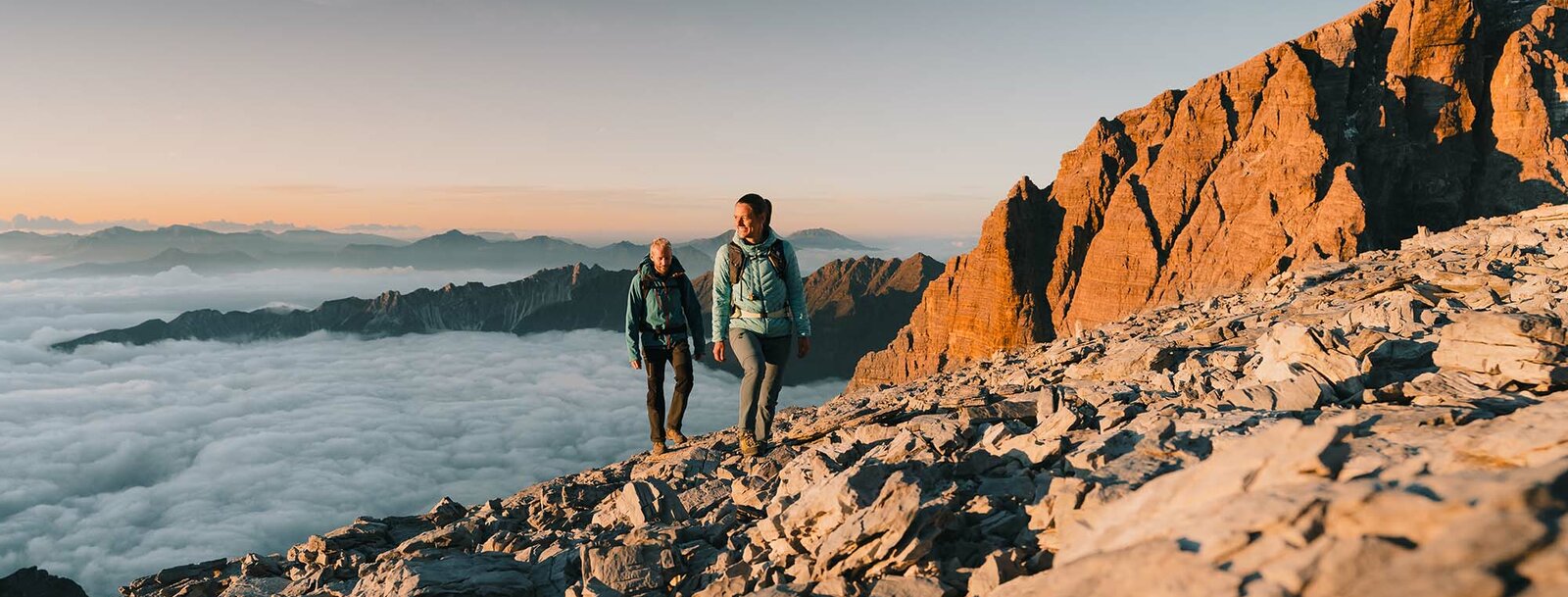
Anyone who wants to climb a mountain over 3,000 meters is crossing an almost magical boundary between a regular mountain hike and a major alpine expedition. We’ve selected three impressive peaks where you can gradually acclimate to the altitude: Kleiner Kaserer, Habicht, and Olperer. Three peaks—three distinct characters—three paths to your unique mountain experience!
There are numerous 3,000-meter peaks in the Wipptal. Three of them are the Kleiner Kaserer, theHabicht, and the Olperer. Each of these mountains has its own character—ranging from an ascent that’s exposed only in places and ends at a stage destination, to a long mountain hike with scenic views and an overnight stay in a mountain hut, to a challenging high-altitude tour with a mountain guide. Together, they don’t represent a race or a ranking, but rather a way to gradually acclimate to the altitude—with the respect these mountains deserve.
Anyone venturing above the 3,000-meter mark for the first time shouldn't underestimate the challenge. Thorough preparation, a realistic assessment of your own fitness and sure-footedness, and a Plan B are just as essential as the excitement of reaching the summit.
Kleiner Kaserer – Getting Started
Elevation:3,090 m
Starting point:Kasern in the mountaineering village of Schmirn
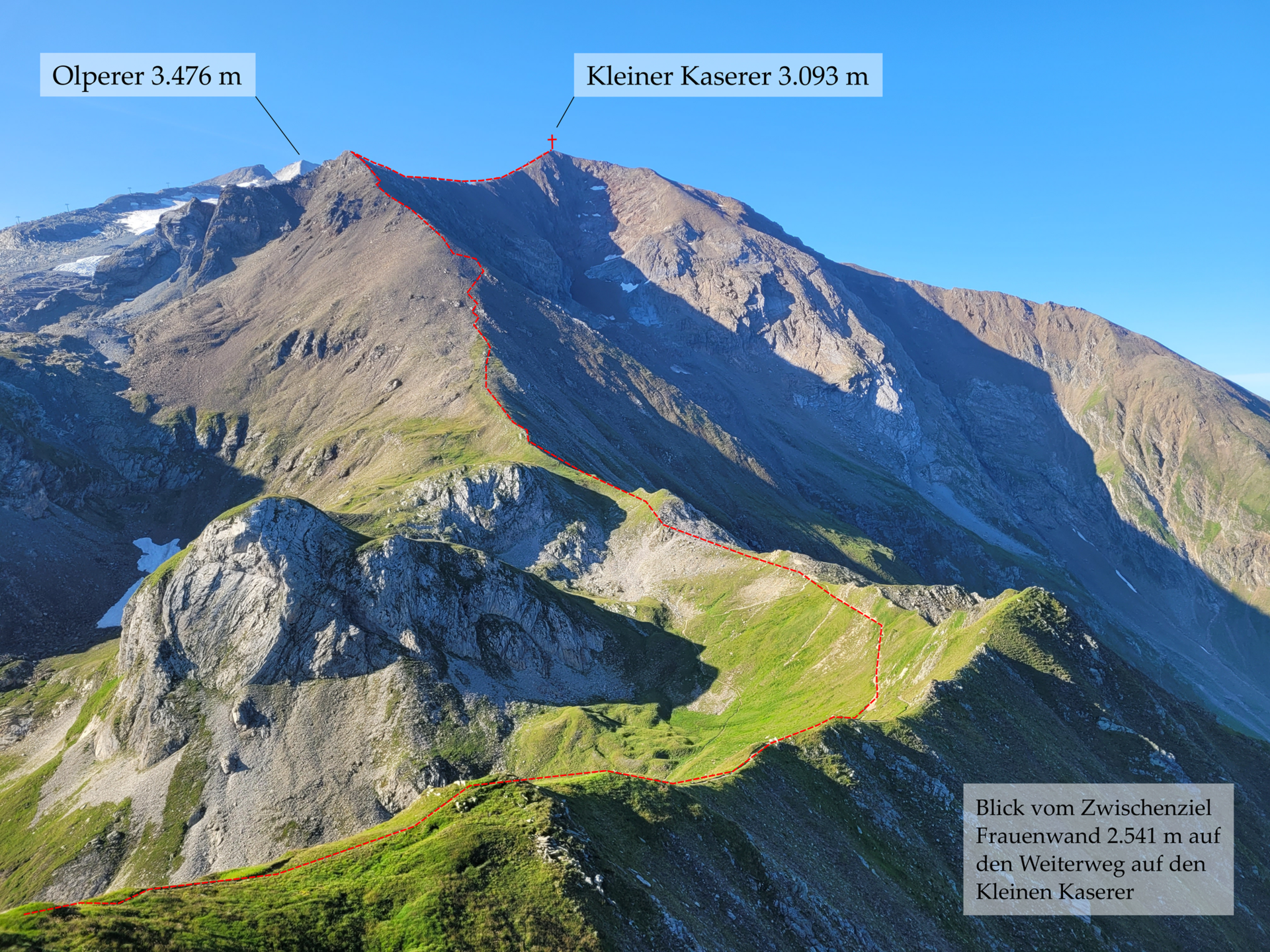
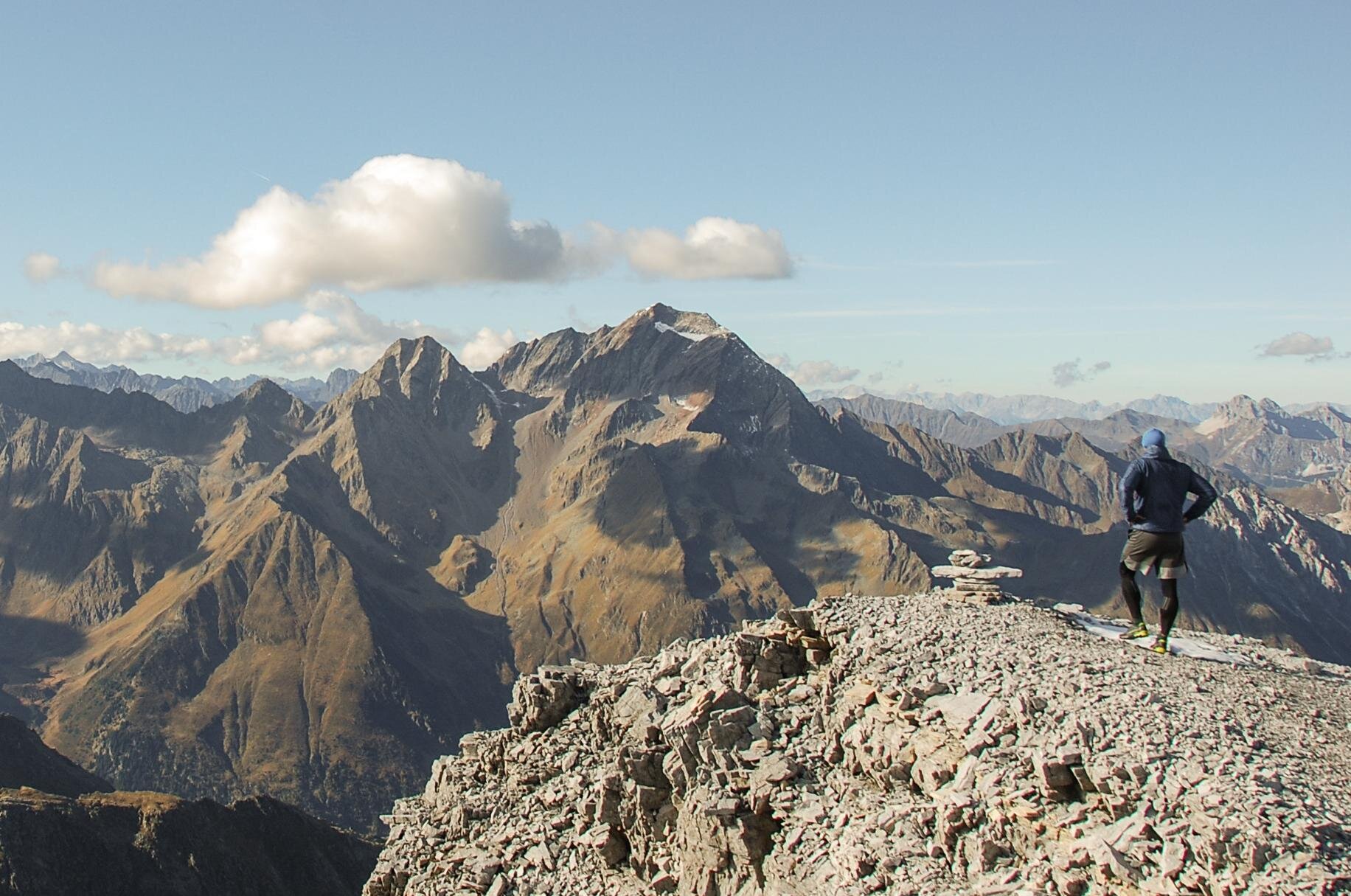
Character: Long high-alpine mountain hike (1,500 m elevation gain) with steep, scree-covered trails near the summit. Sure-footedness and a head for heights are essential for this hike.
Mountain guide:Anyone who feels uncomfortable on steep, scree-covered terrain should hire a mountain guide.
Glacier contact: no
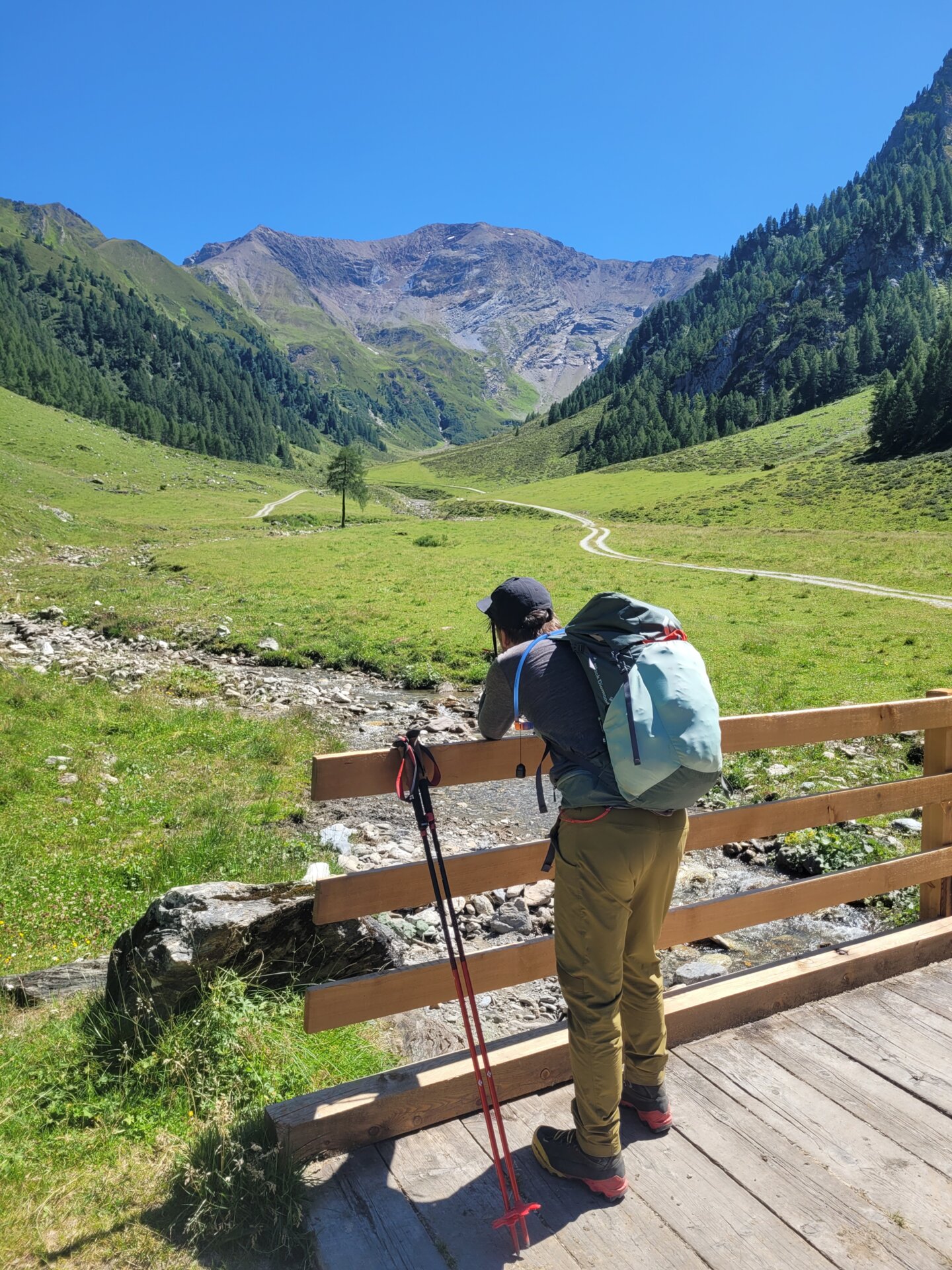
Compared to many other 3,000-meter hikes, the Kleine Kaserer is relatively easy but features a steep climb of 1,500 meters in elevation. Halfway up, the Frauenwand serves as an intermediate destination—those who turn back there will still have reached a summit. This takes the fear out of cutting the hike short and makes the decision to turn back easier if the weather, your stamina, or your condition on the day aren’t cooperating.
After the hike: Stop for a bite to eat at the Alpengasthof Kasern —a well-deserved break after conquering your first 3,000-meter peak.
You can read a detailed description of the tour, including a first-hand account by Daniel Kubera (Rauf & Davon), on his website: Learn more
Habicht – The Classic
Elevation: 3,277 m
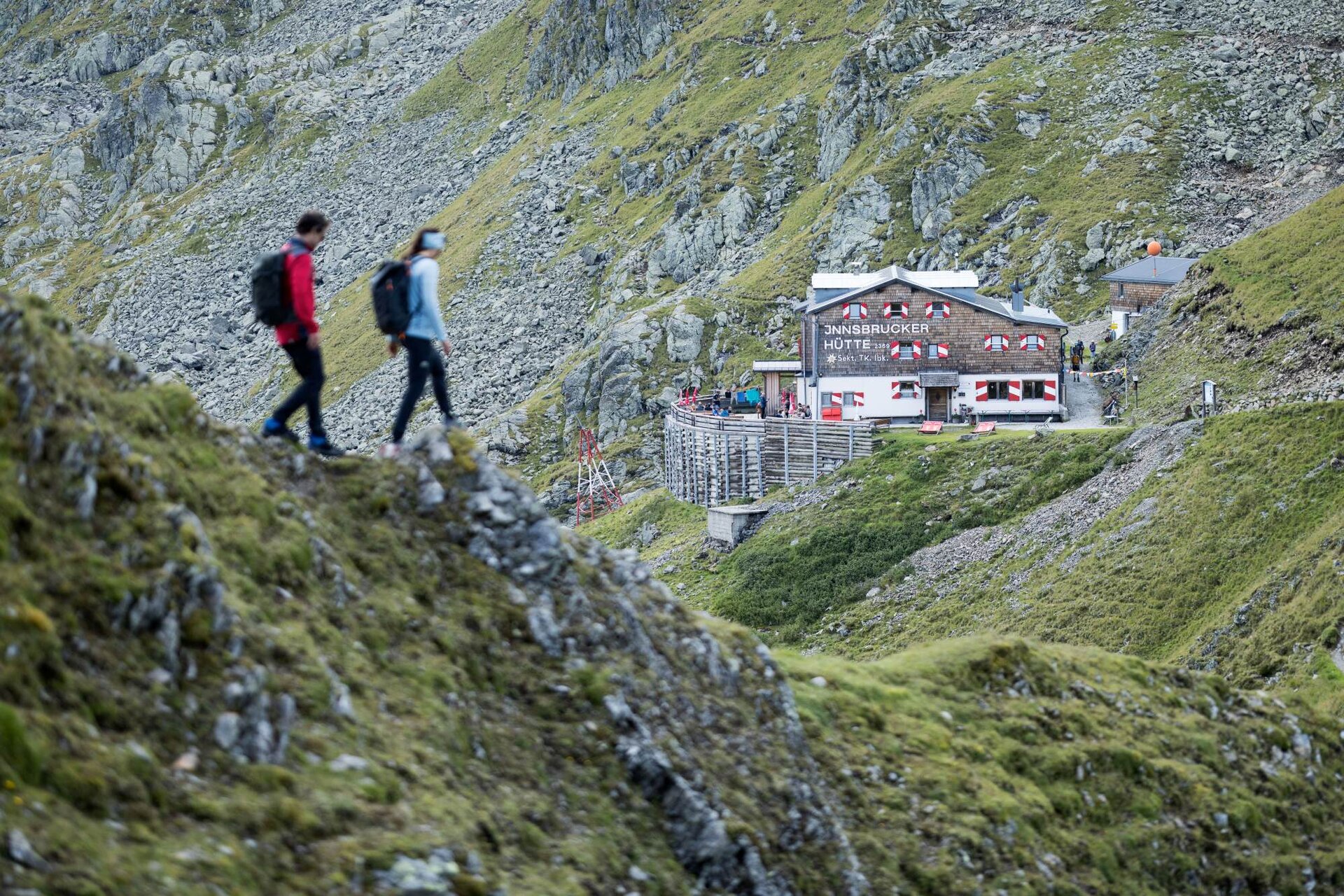
Starting point: Innsbrucker Hütte (approach from Gschnitz)
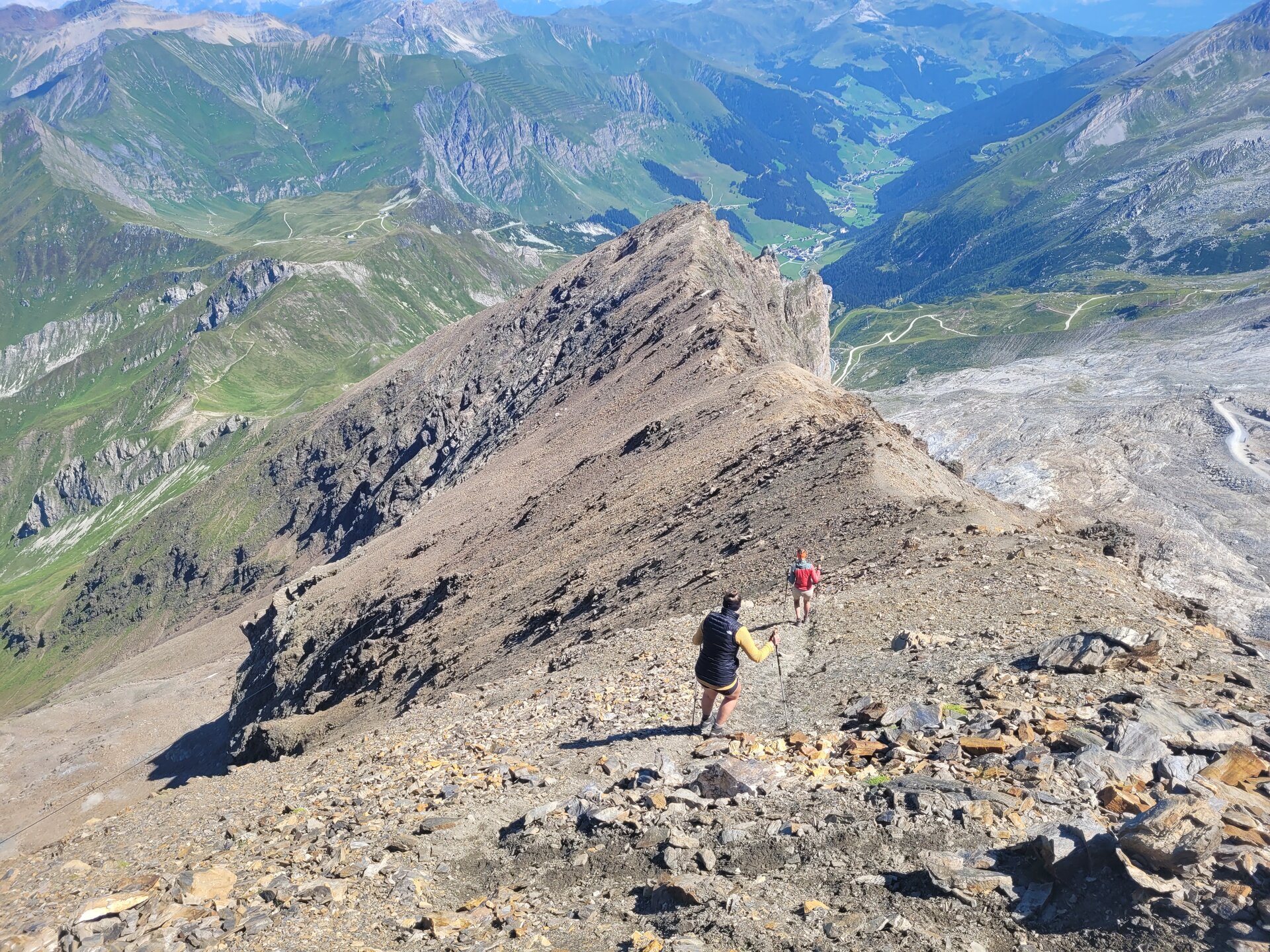
Character: A long, scenic alpine mountain tour over boulder fields and sections secured with wire ropes, including a short firn field
Mountain guide: Not strictly required; sure-footedness and a head for heights are prerequisites for this tour
Glacier contact: No actual glacier, just a short firn field, especially at the start of the season
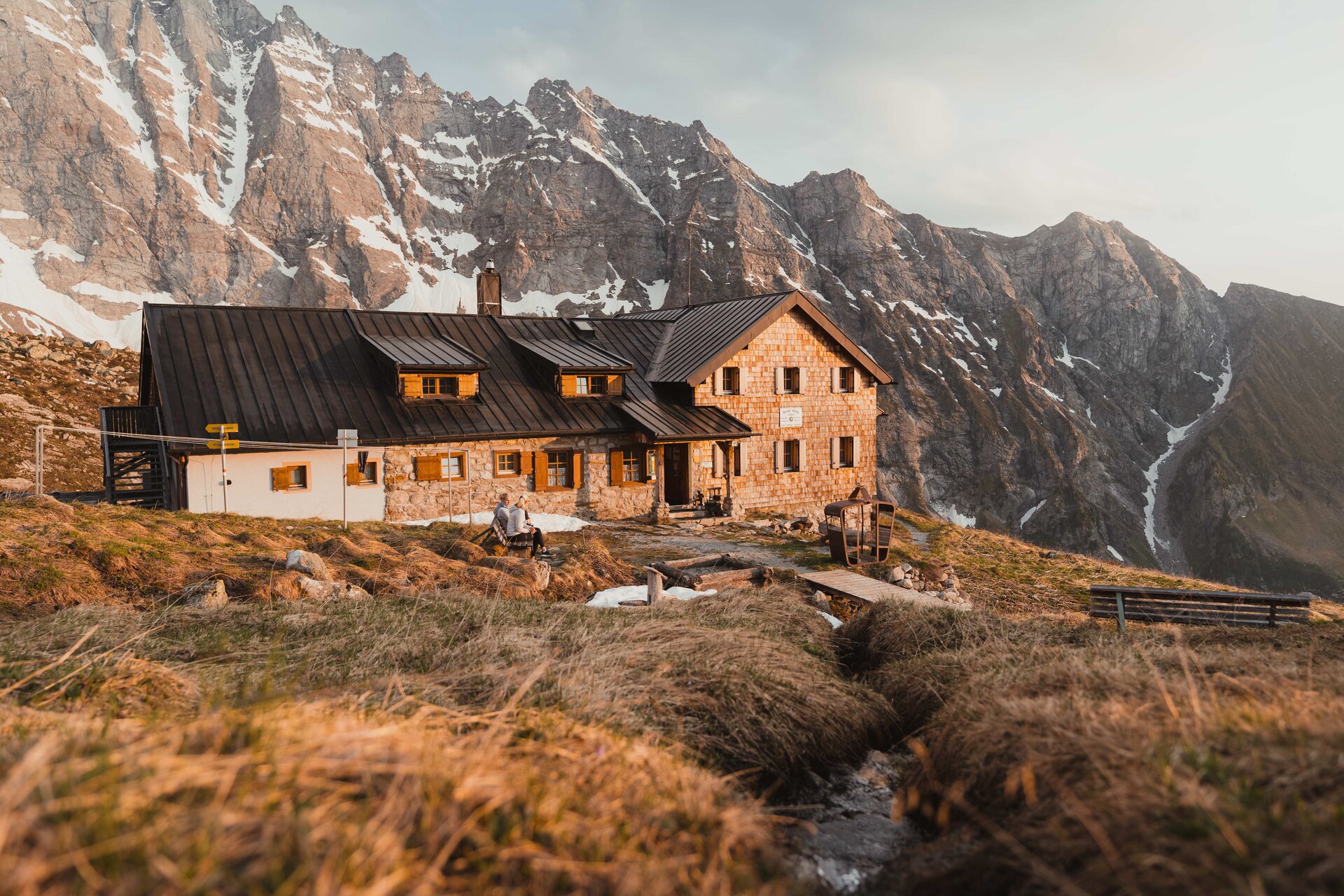
The Habicht does not require glacier gear, but it does demand stamina, sure footing, and a head for heights over long stretches secured by steel cables. An overnight stay at the Innsbrucker Hütte is part of the tour and turns the ascent into a two-day experience with panoramic views stretching as far as the Dolomites and the Wetterstein. At the start of the season, a snowfield near the summit may require the use of crampons or ice spikes. Up-to-date information on conditions is available at the Innsbrucker Hütte.
Olperer – a high-altitude hike with a mountain guide
Elevation: 3,476 m
Starting point: Geraer Hut (approach from Vals)
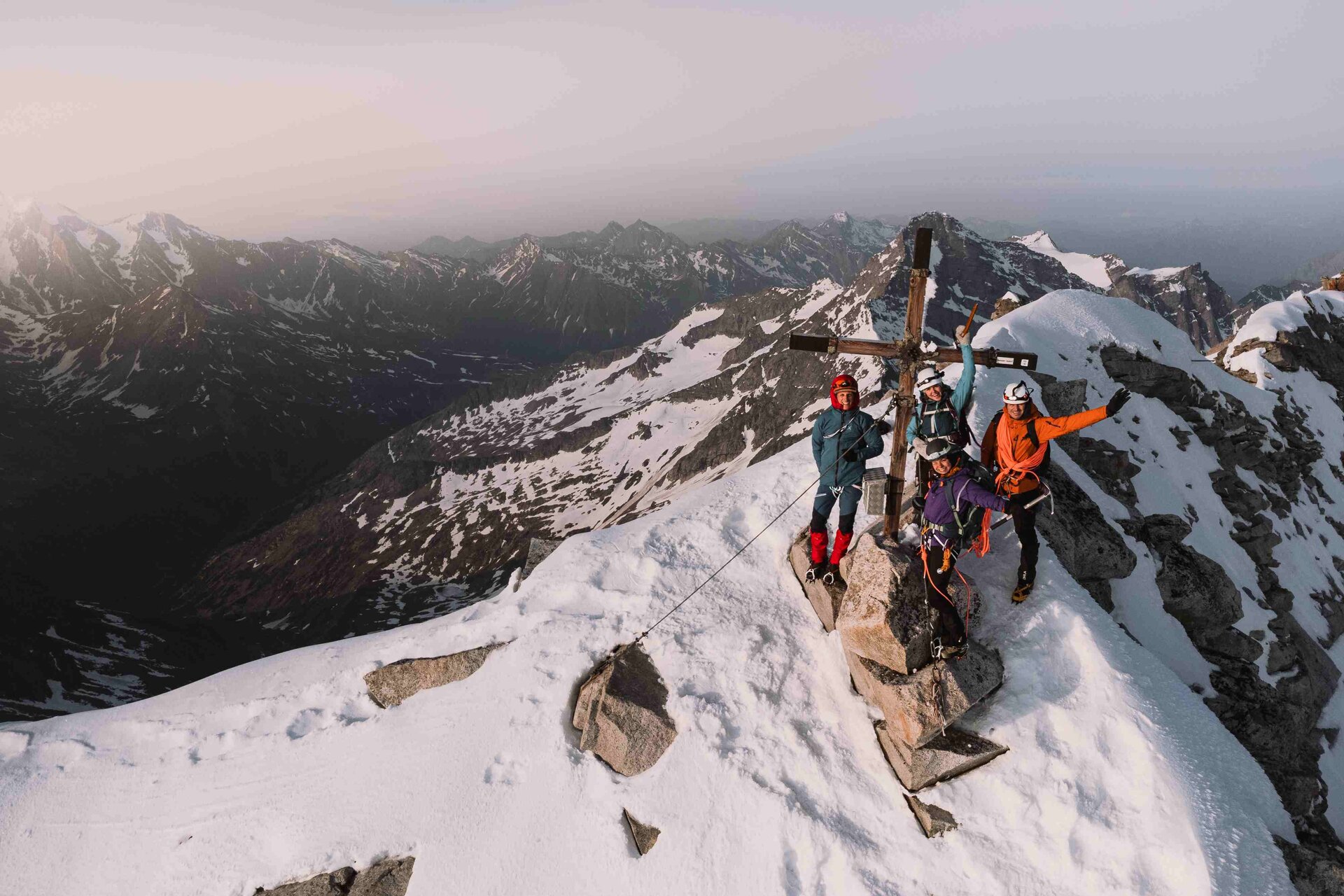
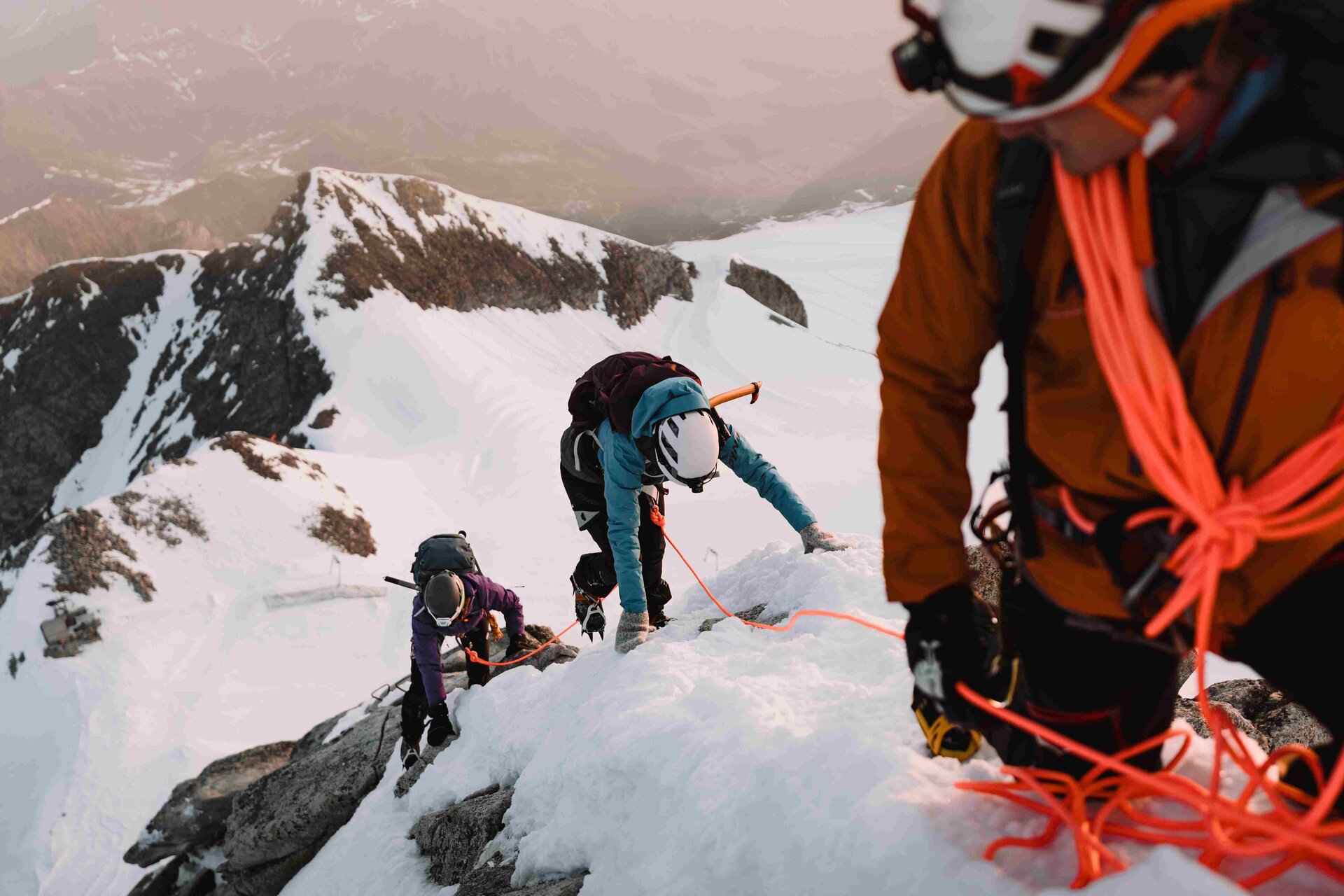
Type: High-altitude climb over glaciers and a rocky ridge; difficulty level 2+ on rock, up to 40° on ice
Mountain guide: recommended
Glacier contact: yes
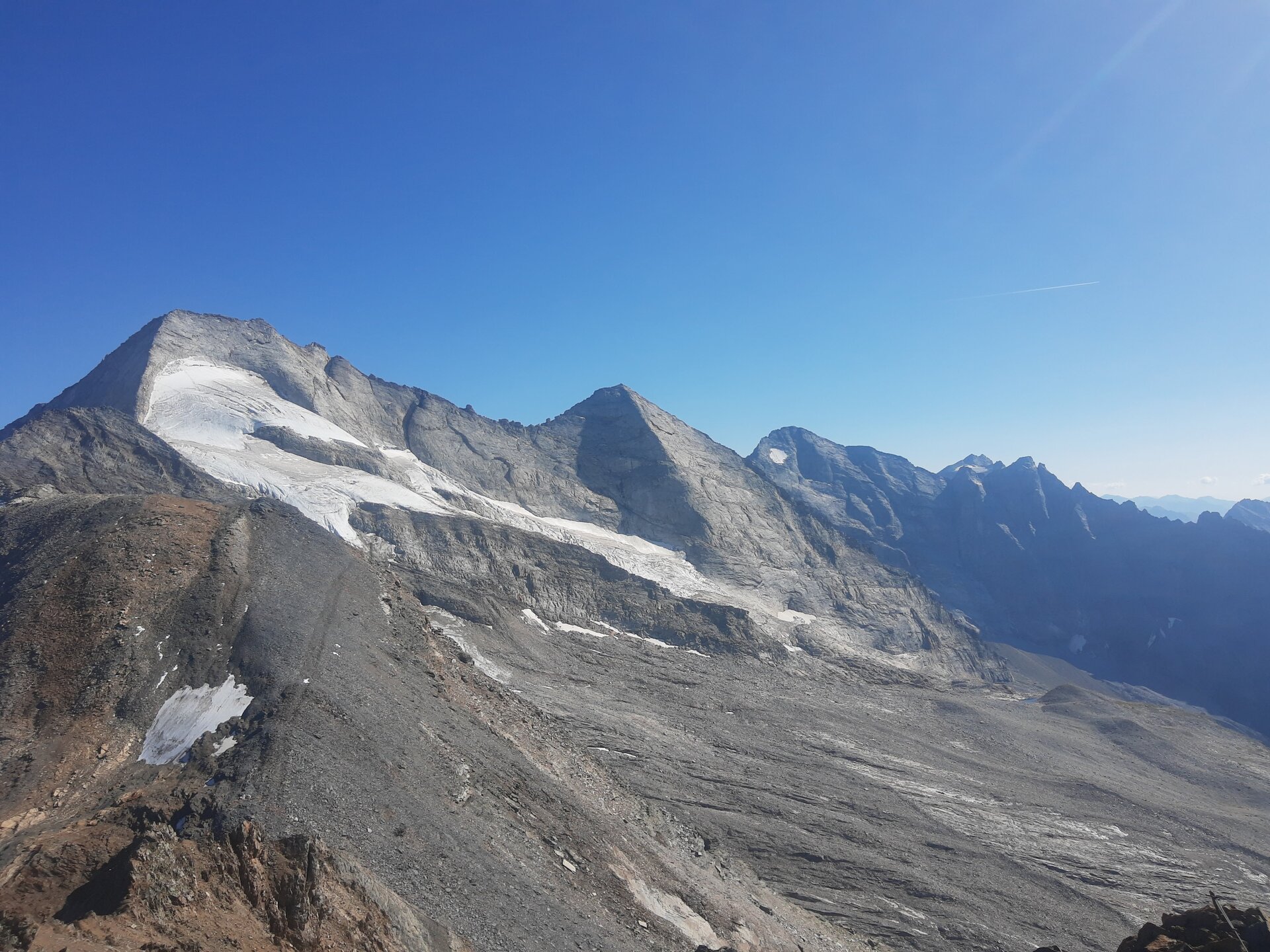
The Olperer is the next step—and a much bigger one. The tour begins with the ascent to the Geraer Hut from Vals. From the hut, the route crosses the moraine and the glacier to the start of the rocky ridge, then continues over solid rock along the north ridge to the summit. This tour requires experience in high-alpine terrain and belaying with a rope. Anyone who sets out on this route is entering true high-altitude mountaineering terrain.
Our Tip: Your Stay at the 3,000-Meter Mark in the Wipptal Valley
You can combine these three peaks into a mountain vacation of your own—not a race against time, but a trip that gradually acclimates you to the altitude.
A possible itinerary for 5–6 days:
- Day 1: Travel to the valley, arrival in the valley, easy acclimatization hike—click here for the tour planner
- Day 2: Test tried-and-true gear, preparation—magnesium, drink plenty of fluids, go to bed early
- Day 3: Kleiner Kaserer—your first 3,000-meter peak. Afterward, stop for a bite to eat at the Alpengasthof Kasern
- Day 4: Rest day in the valley—put your feet up and enjoy yourself instead of sticking to a schedule
- Days 5–6:Habicht via the Innsbrucker Hut or Olperer via the Geraer Hut—depending on fitness level and weather conditions (mountain guide recommended)
This outline is a suggestion, not a rigid schedule. Weather, fitness, and how you feel that day are what matter on the mountain—not the calendar.


Frequently Asked Questions About the First 3,000-Meter Peak in the Wipptal Valley
- Who is "My First 3,000er" suitable for? It’s for anyone with mountain experience who wants to take on their first 3,000er—from hikers in top physical condition to ambitious mountaineers. The three tours vary significantly in difficulty and equipment requirements, so it’s worth taking an honest look at your own experience and fitness level beforehand.
- Do I need a mountain guide? That depends on the peak. For the Kleiner Kaserer and the Habicht, sure-footedness, a head for heights, and experience in alpine terrain are sufficient; a mountain guide isn’t absolutely necessary here. The Olperer, on the other hand, involves traversing glaciers and rocky ridges and should be climbed with a mountain guide.
- Are there mountain guides in the Wipptal? Yes, you can book local mountain guides in the Wipptal who offer guided high-altitude hikes to the Olperer, Habicht, Kleiner Kaserer, and other peaks in the region—from trip planning to belaying on the mountain. Find mountain guides in the Wipptal
- What gear do I need for my first 3,000-meter peak? In addition to tried-and-true, well-worn mountaineering gear, you’ll need a bivy sack, plenty of food, and—depending on the route—glacier gear or a helmet. More important than any specific piece of gear is this rule: don’t test anything for the first time on the mountain; instead, break it in the day before or on a shorter hike.
- What if I have to cut the hike short? Cutting a hike short is part of the mountain experience and isn’t a failure. On the Kleiner Kaserer, the Frauenwand serves as an intermediate goal halfway up—so even if you have to turn back, you’ll still have a great summit experience. An early start, realistic time management, and a deliberately slow pace at the beginning will help you avoid getting into this situation in the first place.
- Can I do these hikes on my own? The Kleiner Kaserer and Habicht are feasible for experienced solo hikers who are sure-footed and have a head for heights. For the Olperer, a mountain guide is recommended due to the glacier and rock-climbing sections.