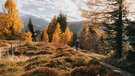
The Sunniest Fall Hikes
Tour tips for hiking and biking, where you can go all the way to...


The Wipptal valley is home to impressive protected areas on both sides of the Brenner Furche—wild mountain landscapes, blooming alpine pastures, and tranquil mountain lakes. These include the Nößlachjoch–Obernberger See–Tribulaune Landscape Conservation Area, the Stubai Alps Quiet Zone, and the Valsertal Natura 2000 site.

We spoke with Kathrin Herzer (on the right in the photo), a nature reserve manager in the Wipptal, and asked her what makes these natural treasures so special—and how we can help preserve them.
Kathrin, you're a nature reserve manager in the Wipptal. What can you tell us about your work?
The Wipptal is a true natural paradise. Together with two colleagues, I am responsible for this region. Our mission is to help protect, maintain, and shape the natural and cultural landscapes through targeted measures, so that they can be preserved for future generations. An important part of our work is also to promote harmony between people and nature.
One of the most famous lakes in the protected areas is Lake Obernberg. What makes it so unique?
Lake Obernberg is truly a gem. Even on the ascent, you pass through ancient cultural landscapes: open larch meadows and biodiverse areas. A particularly wide variety of plant species thrive here, attracting numerous animal species, especially insects. You can even spot the green woodpecker feeding on anthills—it’s always a wonderful sight. The hike continues through historic alpine pasturelands that were already being farmed as early as the 13th century. At the top, the valley opens up to an impressive high-mountain panorama featuring the lake, nestled between the rugged dolomite walls of the Obernberger Tribulaun, alpine pastures, and the Grenzberge mountains. Its origin story—formed by a post-glacial landslide—also makes it unique.

What about the wildlife in the lake?
The water is so clear that you can see the fish right away. Lake Obernberg is home to bullheads, char, trout, and minnows, among other species. Bullheads require particularly clean, oxygen-rich water—a good sign of the high quality of this habitat.


That sounds idyllic. But the lake faces some challenges too, doesn't it?
Yes. In the summer, water temperatures rise, causing oxygen levels to drop and water levels to fall—sometimes significantly. This puts a strain on the entire aquatic community. Swimming and boating also cause additional stress. Residues from sunscreen can also harm this sensitive ecosystem.
The Steiner Alm, at 1,737 meters, is a worthwhile destination not only because of its stunning location with views of the Tribulaunstock—it is best known for its award-winning alpine cheese, which is produced fresh daily right there on the alp. Easy to reach even with children: From the Obernberg parking lot, simply follow the path to Obernberger See, turn left at the chapel—and a genuine Tyrolean alpine experience awaits.
What would you recommend to visitors who want to experience the lake?
The best way to experience the lake is to walk around it or simply relax on the shore. This allows you to enjoy the play of colors on the water, the mountain backdrop, and the special tranquility of this natural gem—while helping to protect it at the same time.


