
Mill village Gschnitz
Experience history - an open-air museum in a picturesque...
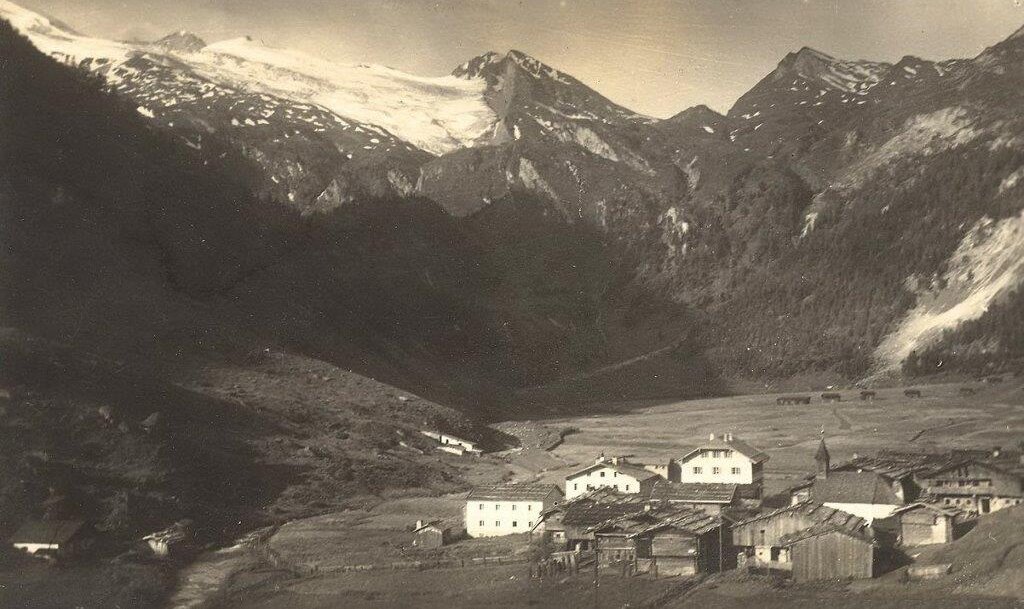
Anyone hiking today from the far end of the Schmirn Valley over the Tuxer Joch toward Hintertux naturally crosses the border between the Wipptal and the Zillertal. A hundred years ago, however, this border ran differently: Until 1926, Hintertux belonged politically to the municipality of Schmirn. A hundred years later, both municipalities are commemorating their unique history and will celebrate this historic anniversary together on September 25, 2026.
For many centuries, the Tux Pass served as an important link between two valleys whose shared history dates back a long time. The Tux Pass was already in use long before the Common Era. The discovery of a bronze pin indicates that people were already familiar with the passage between the Wipptal and Zillertal valleys as early as around 1000 B.C. Later, trade routes and travel paths led over the pass, directly connecting Hintertux with the Schmirn Valley. Schmirn had been an independent political municipality since 1811. Hintertux remained part of it as a district—until the reorganization in 1926.
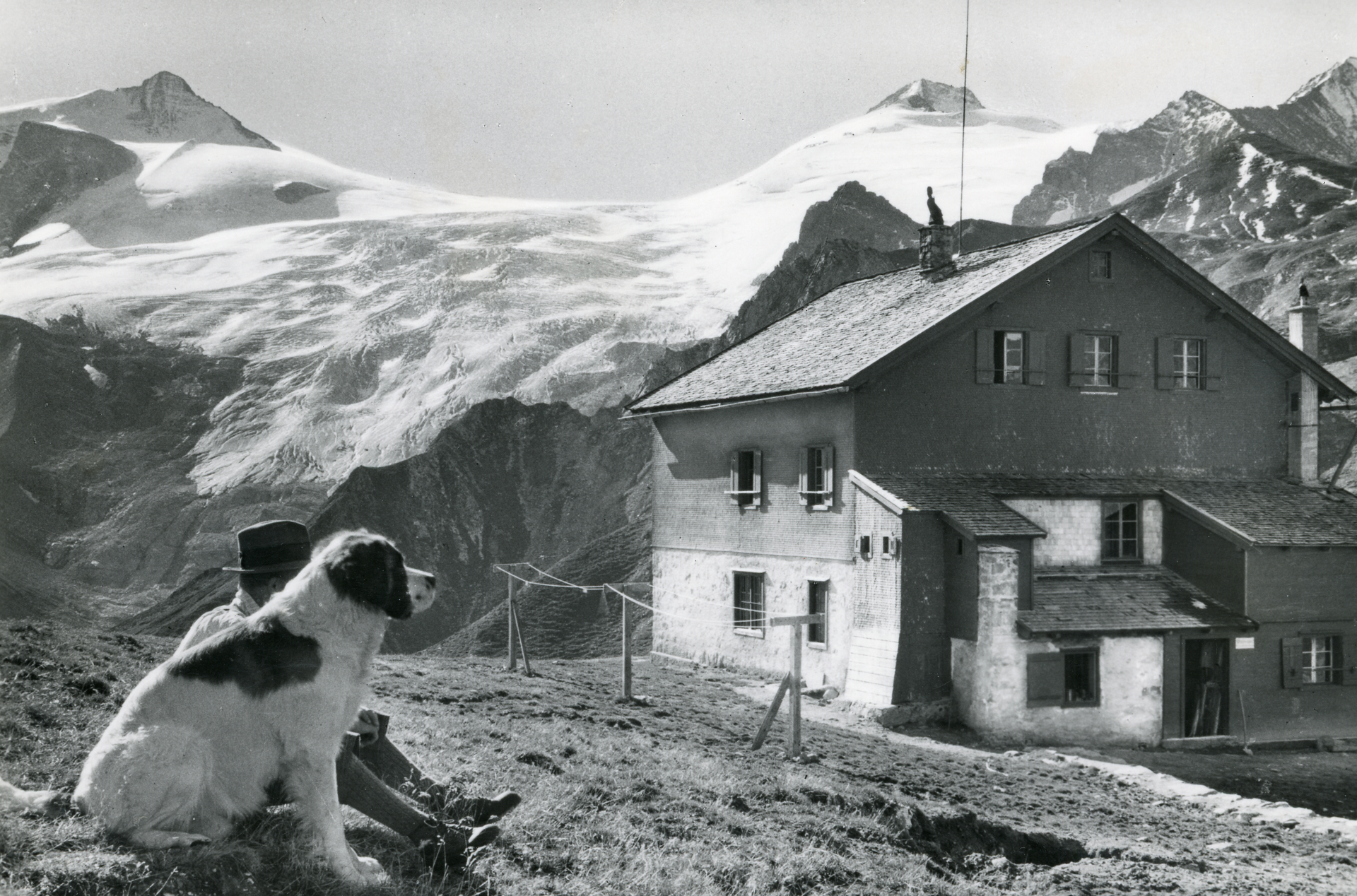
A 19th-century account illustrates just how active this route actually was. In 1871, travel writer Ludwig Steub reported on a hike across the Tuxer Joch. There, he encountered a girl who was carrying butter from Hintertux to Schmirn. Even more impressive was his encounter with a married couple who told him they had carried about 130 centners of butter over the Tuxer Joch each year. Tux butter was in high demand in the Wipptal and was even sold on as far as Innsbruck. Snow markers at the pass suggest that the route was used not only in summer but also, to some extent, in winter.
Another story also vividly illustrates how closely Hintertux was once connected to the Wipptal: For a long time, the people of Hintertux had their burial ground in Mauern, above Steinach in the Wipptal, because there was no church yet in Schmirn. To reach it, the deceased had to be transported over the Tuxer Joch through the entire Schmirn Valley. This journey was particularly difficult in winter. If the pass was impassable due to snow conditions, the journey could be delayed for weeks or months. In Obern, at the “Steckholzer,” there was a mortuary where the deceased were laid out overnight on their long journey to Steinach.
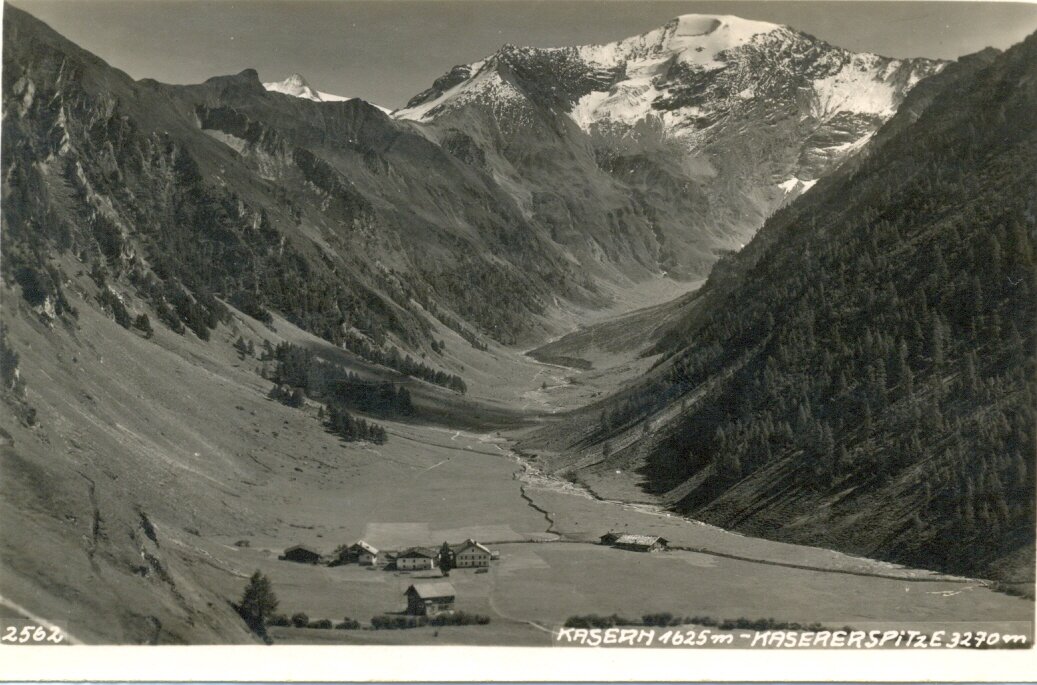
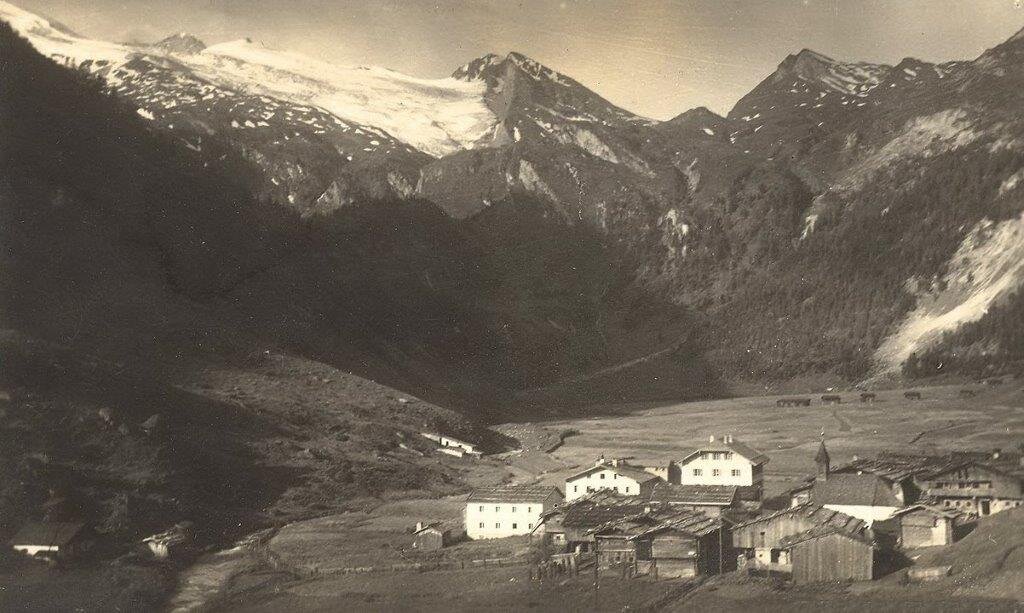
The separation of Hintertux and Schmirn was primarily for practical reasons. The route over the Tuxer Joch was long and particularly arduous in winter. In 1925, representatives from Schmirn and Hintertux agreed that a new administrative arrangement would simplify governance. Tux was significantly closer and had become increasingly accessible thanks to road improvements.
The decisive negotiations took place on July 21, 1925, at the mountain hut on the Tuxer Joch. During these talks, the new municipal boundary was also precisely defined. It was to follow the existing grazing boundary between Hintertux and Schmirn—from the Navis–Schmirn border along the ridge to the Tuxer Joch and from there via the Frauenwand, Ramsgrat, and Kasererspitze to the Olperer. Thus, an old grazing boundary became the municipal boundary that would henceforth separate the two towns. Property, access rights, and obligations also had to be reorganized: plots of land on the Schmirn side remained with Schmirn, while those on the Hintertux side were transferred to Tux. Likewise, the residents of Hintertux lost their residency rights in Schmirn and gained them in the municipality of Tux. After several administrative steps, the Tyrolean State Parliament finally passed the decisive resolution in March 1926 to incorporate Hintertux into the Tux municipal association.
Exactly 100 years after the separation, the municipalities of Tux and Schmirn are joining together to commemorate their unique history. On Friday, September 25, 2026, the “100 Years of Hintertux near Tux” anniversary will be celebrated on both sides of the Tuxer Joch. At 12:00 p.m., a mountain Mass led by Father Edi Niederwieser will take place at the Tuxerjochhaus. Following the Mass, the two mayors will welcome guests at the Tuxerjochhaus with a meal featuring dishes “just like 100 years ago.”
It has been 100 years since Hintertux separated from Schmirn. Their shared history has not completely disappeared. Anyone climbing from Kasern in the Schmirn Valley to the Tuxer Joch today passes the so-called “Separation Cross.” It serves as a reminder of the time when Hintertux was still part of the municipality of Schmirn. The two towns have developed very differently since then, but their shared history remains visible to this day. Since 2019, a Shared Trail across the Tuxer Joch has also connected the two municipalities, offering hikers and mountain bikers a direct route. In between lies the same Tuxer Joch—and with it, the pass that has connected the people on both sides for centuries.

