Alpine flower garden
Blooming splendor - healing power

Pause, take a deep breath, and recharge
Some places naturally invite you to slow down. In the Wipptal, breathtaking natural landscapes, centuries-old stories, and a vibrant faith come together. Many of these spots can be discovered on a hike or a leisurely stroll. We’d like to introduce you to five spiritual places of power where you can pause, take a deep breath, and recharge your energy.
What makes a place of power special is different for everyone. For some, it’s a quiet forest clearing; for others, a babbling brook, a special viewpoint, or a small chapel. Spirituality doesn’t necessarily have to be linked to religion.
In the Wipptal, however, the Catholic faith has been firmly rooted in the region’s history and in people’s daily lives for centuries. That’s why our selection features five churches and chapels whose unique locations are just as impressive as their histories.
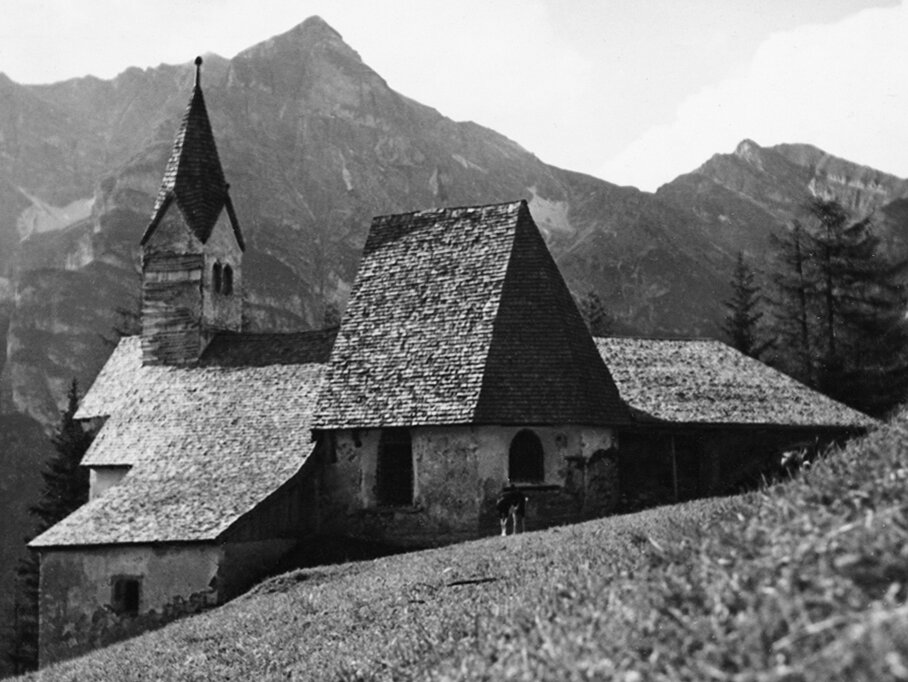
Perched about 400 meters above the valley floor, the small pilgrimage church of St. Magdalena sits on a rocky outcrop between Trins and Gschnitz. The pilgrimage site was first mentioned in a document in 1307. It is believed that a place of worship had already existed here earlier, connected to a spring that has since dried up. During restoration work, frescoes from the 13th and 15th centuries were uncovered inside the church. They are among the oldest surviving wall paintings in North Tyrol.
St. Magdalena can be reached via hiking trails from Trins or Gschnitz. Active visitors can also climb up to the chapel via the B/C-rated via ferrata. At the top, a small snack bar and a sweeping view of the Gschnitz Valley await.

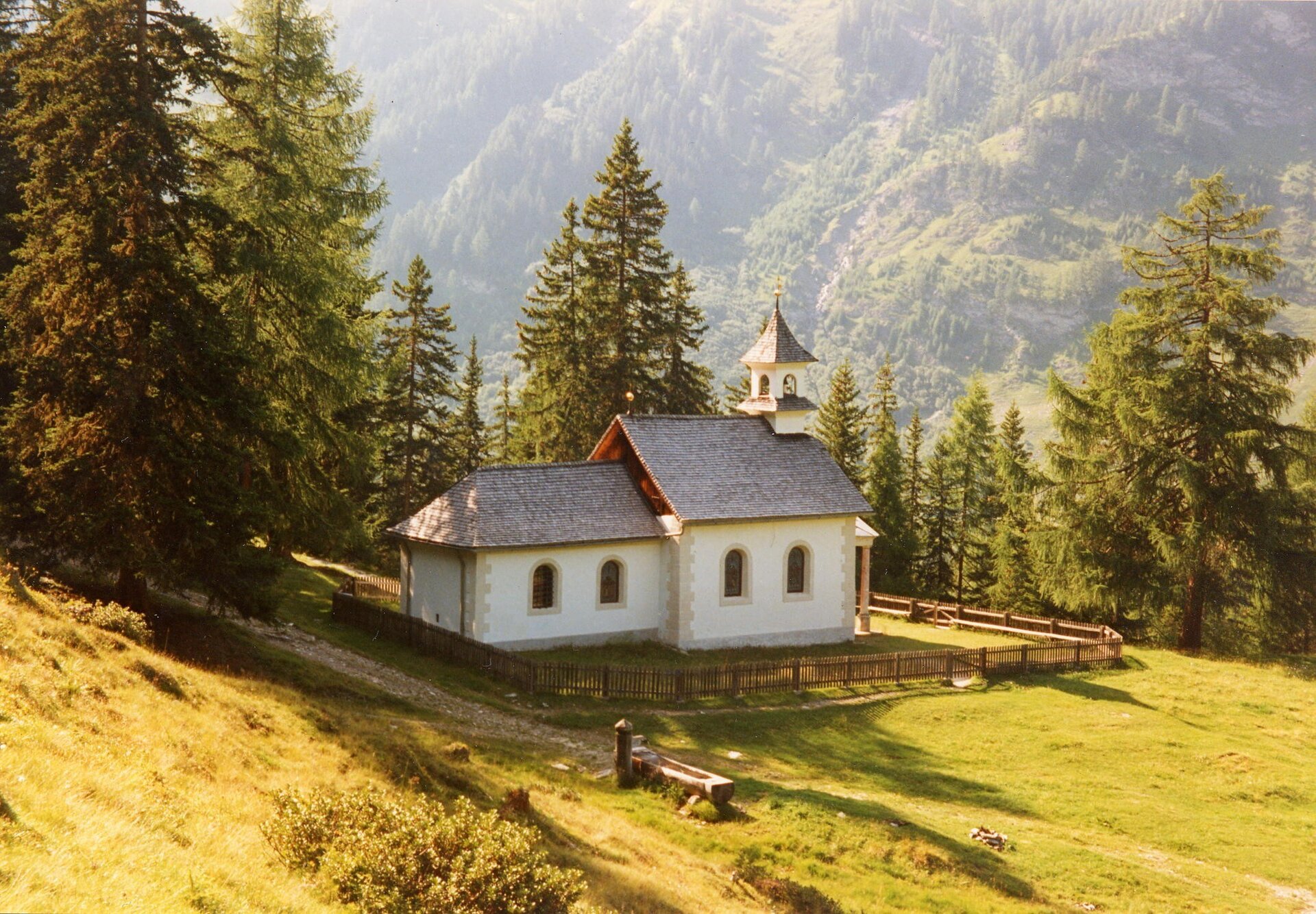
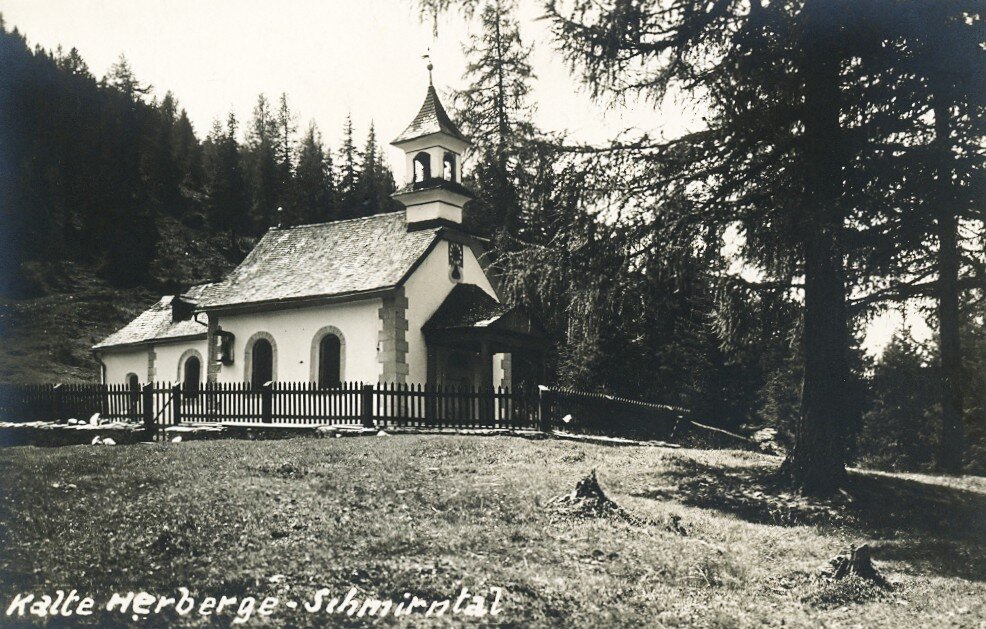
Tucked away in a forest clearing above the hamlet of Toldern lies the small pilgrimage church “Mariahilf in der Kalten Herberge.” According to legend, on a stormy autumn day, a shepherd discovered a woman with a child under a large spruce tree. Moved by compassion, he is said to have said to her, “What a cold shelter you have there!” Later, people came to believe that the woman was the Virgin Mary.
As early as 1730, a simple wooden chapel was built on this site, which was later replaced by the small church that stands here today. Several hiking trails lead to the Kalten Herberge. A short loop through the Wildlahn Valley is particularly beautiful, combining forest, mountain scenery, and history.
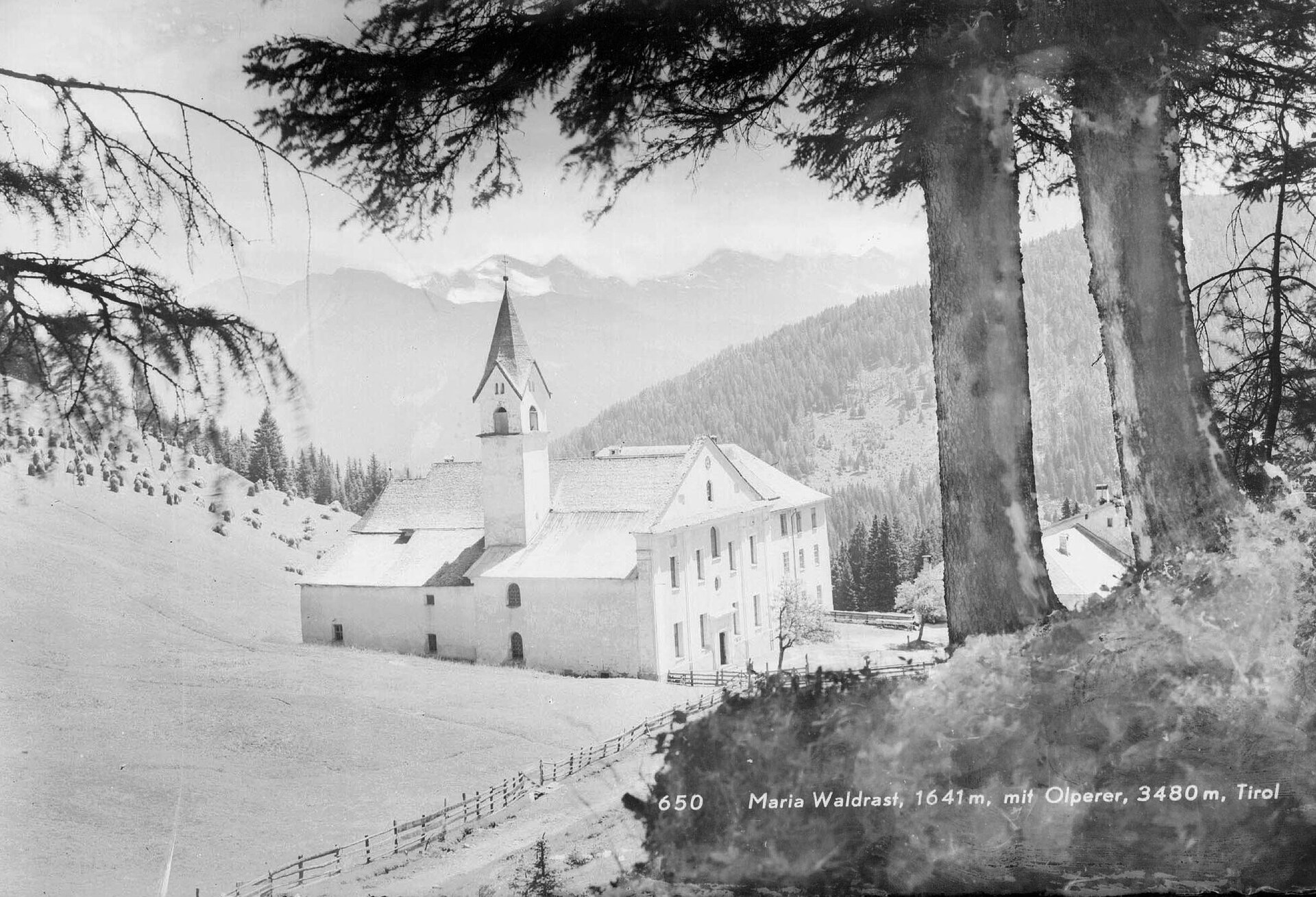
Located at an elevation of 1,638 meters, Maria Waldrast lies at the foot of the striking Serles mountain above Matrei am Brenner. The Servite monastery is one of the highest-altitude monasteries in Europe and has been an important place of pilgrimage for centuries. The name “Waldrast” recalls that travelers once rested here in a small forest clearing. According to legend, in 1407 two shepherd boys discovered an image of the Virgin Mary inside a hollow larch trunk. Shortly thereafter, the Virgin Mary is said to have appeared to a woodcutter and commissioned him to build a chapel. The first chapel was completed in 1429.
Today, pilgrims, hikers, and those seeking peace and quiet come to Maria Waldrast. The Schöpfungsweg and the Quellenweg trails invite visitors to enjoy a mindful experience of nature. Those who prefer a more athletic challenge can set out from here on a demanding mountain hike to the 2,718-meter-high Serles.

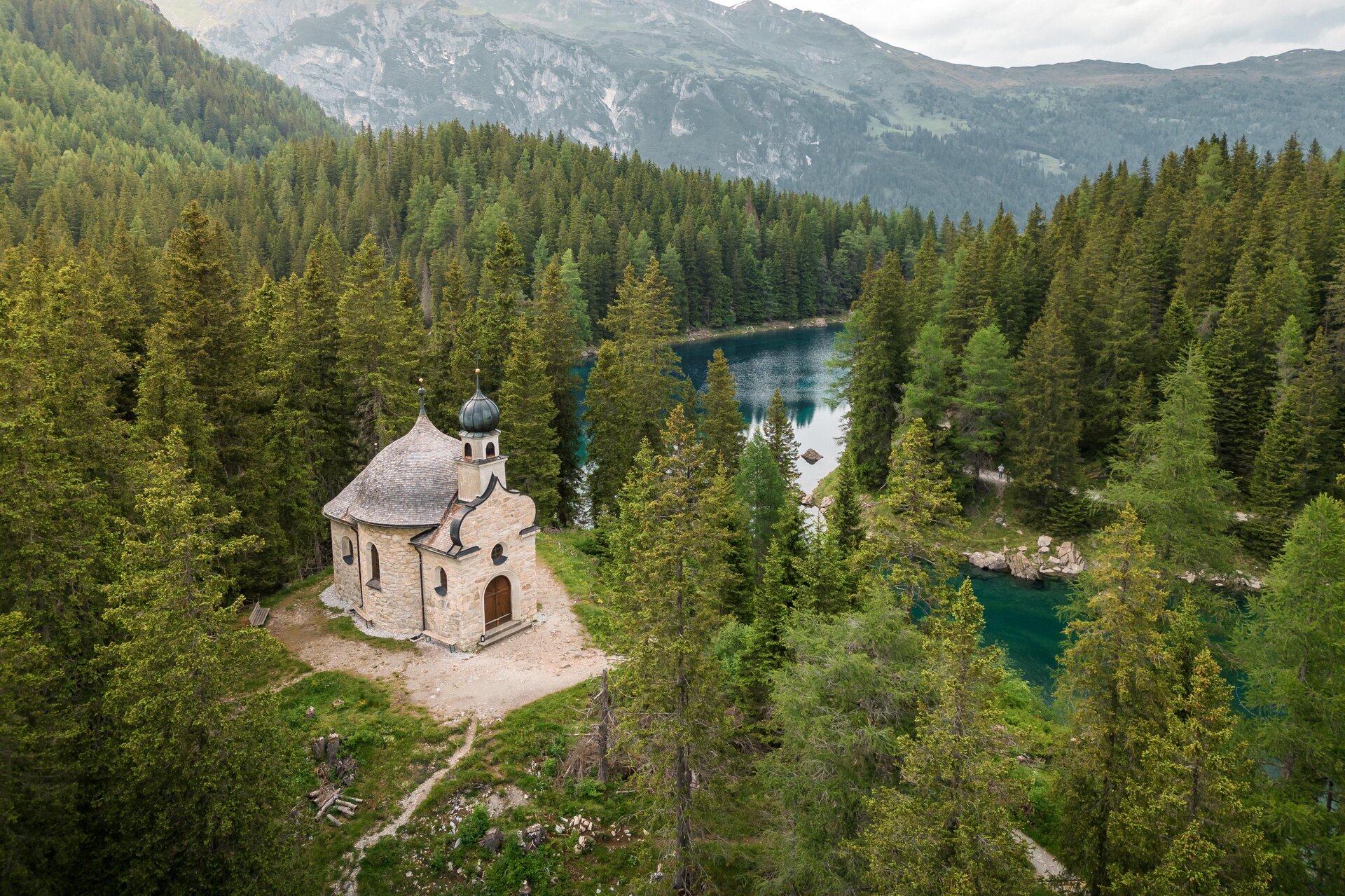
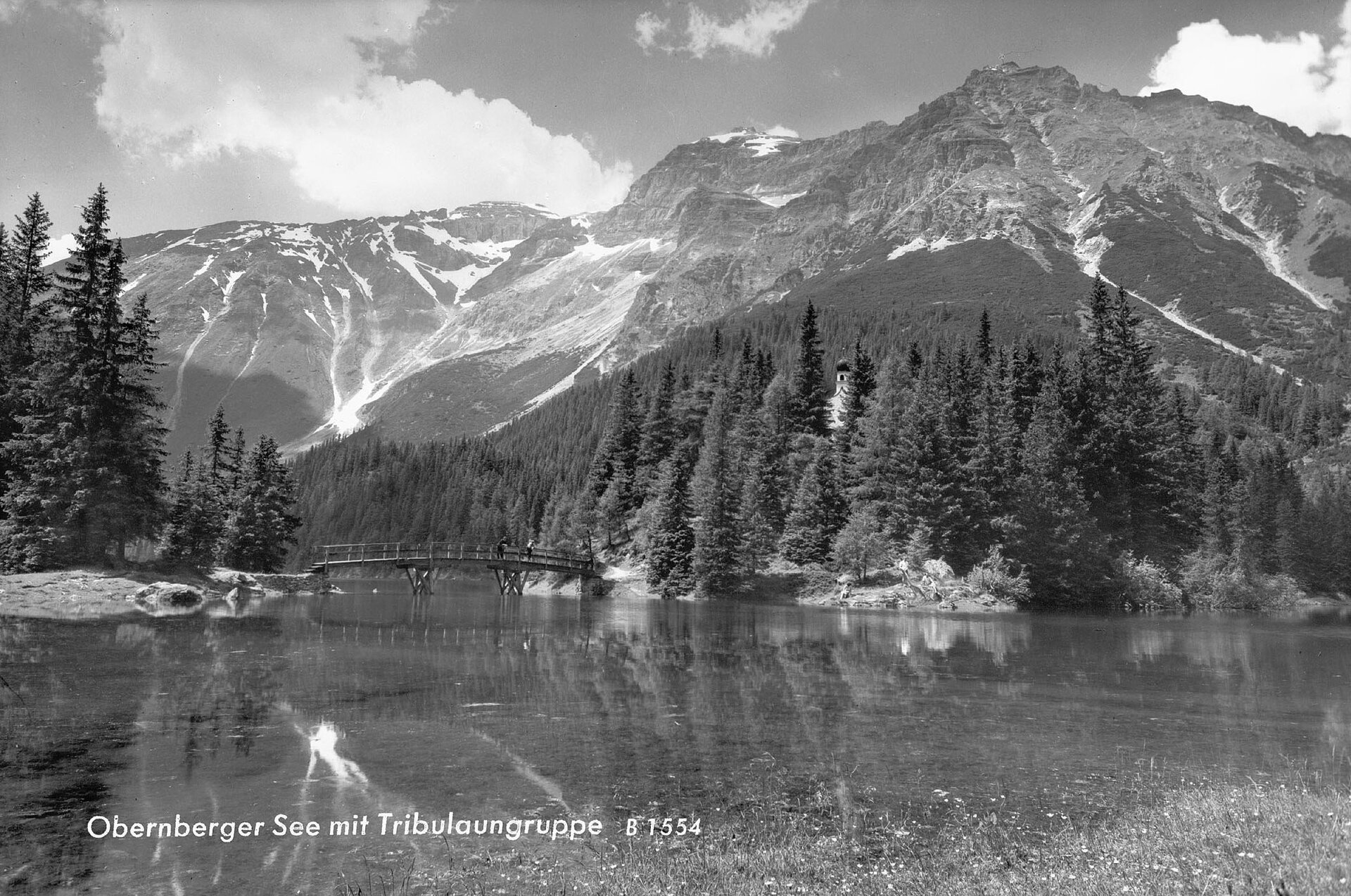
Crystal-clear water, sunlit larch meadows, and the rugged cliffs of the Obernberg Tribulaun define the landscape around Lake Obernberg. On a small peninsula between the two parts of the lake stands the historic “Maria am See” chapel. The natural-stone structure was built between 1934 and 1935 and is accessible via a small bridge. Inside are frescoes by the Tyrolean artist Carl Rieder. The view from the chapel across the water and toward the surrounding mountains is particularly impressive.
A loop hike around the lake offers ever-changing views. If you stop along the shore for a moment, you’ll often hear nothing but the water, the wind, and the sounds of the forest.
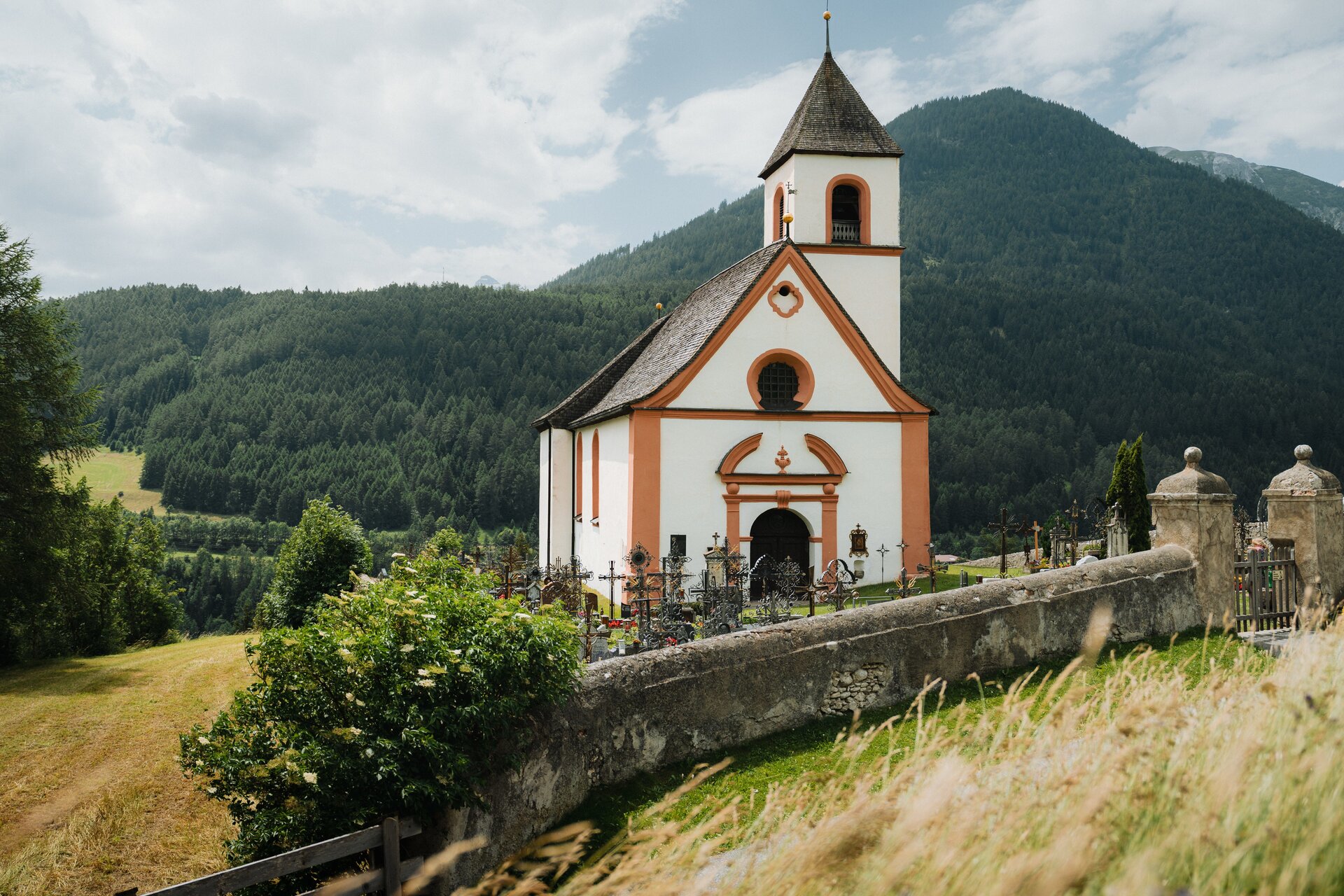
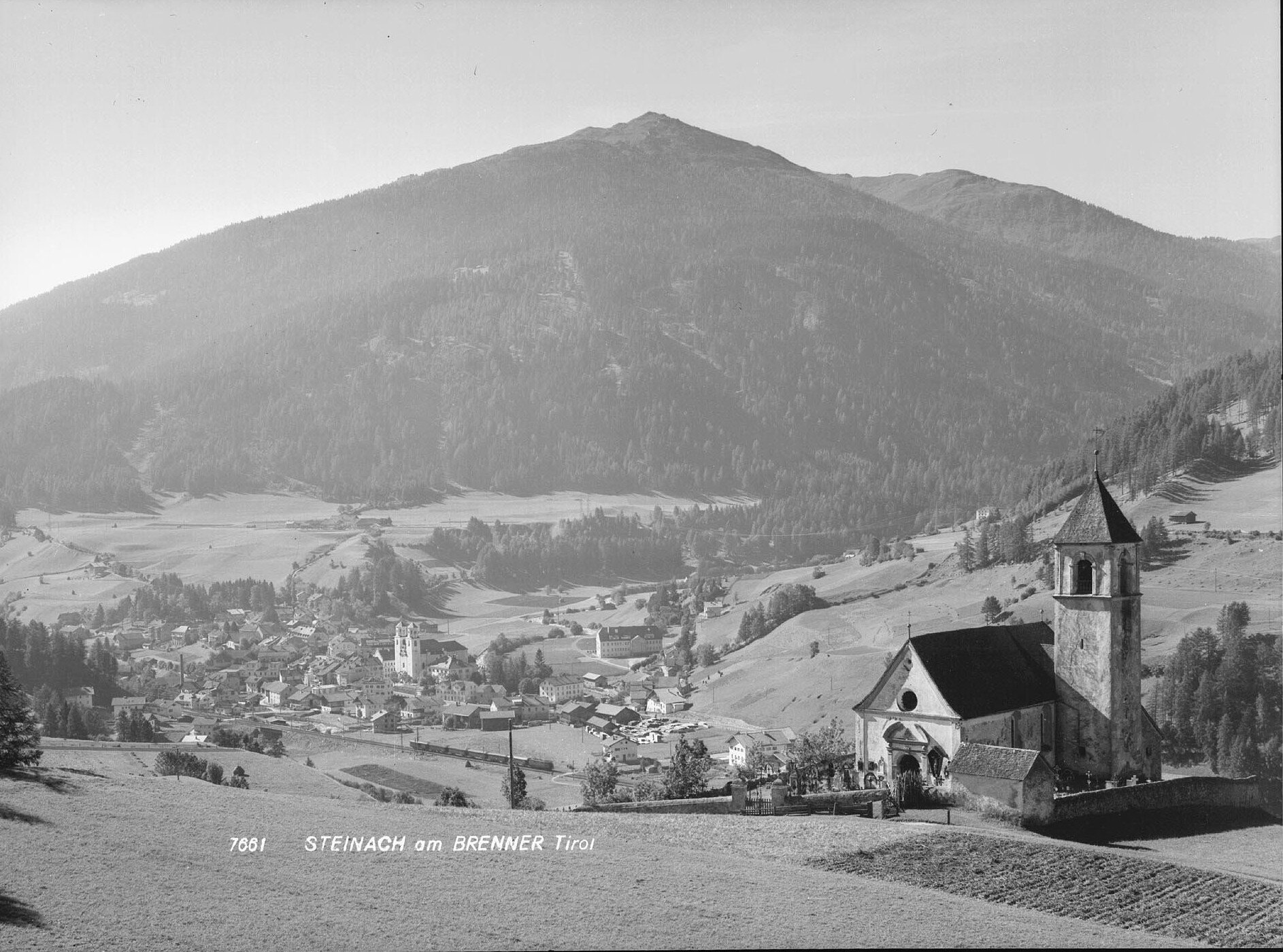
The small Church of St. Ursula is situated on a hill above Steinach am Brenner. The village of Mauern was first mentioned as “Muron” as early as the 10th century. The church itself has been documented since 1201 and still features Romanesque architectural elements today.
There is a special connection to the Tux Valley. In the past, the deceased from Hintertux had to be carried over the Tuxer Joch to the cemetery in Mauern. This journey was long and arduous, especially during the cold season. Three crosses at the cemetery still serve as a memorial to the deceased from Tux.
From St. Ursula, it’s worth taking a leisurely walk toward Tienzens. The peaceful trail winds through the countryside with almost no significant inclines and offers beautiful views of Steinach, Matrei, and the Wipptal mountains.