Heiziacher noodles
A traditional farmer's recipe
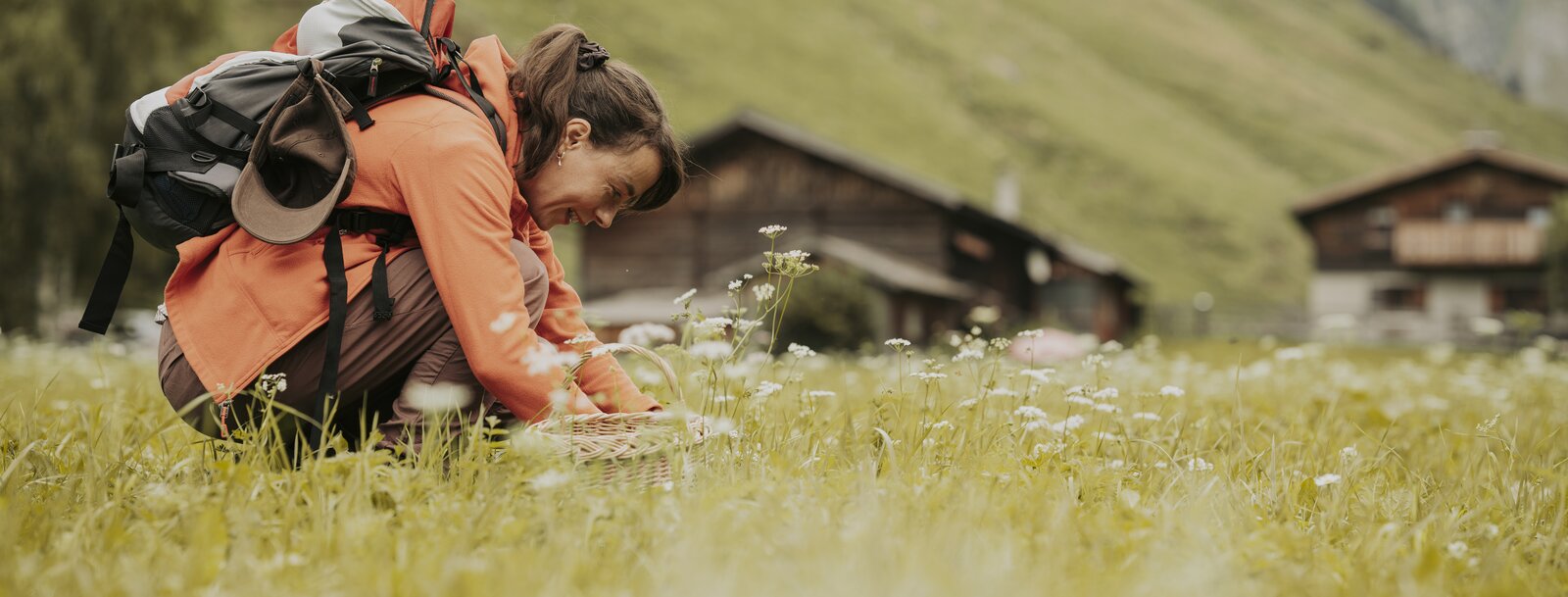
Nature’s treasures grow right here in the Wipptal, in our meadows, mountain pastures, and along the edges of the forest.
From spring until the first snowfall, nature provides us with valuable medicinal plants, flavorful herbs, and colorful flowers.
You’ve surely come across three of these plants before. Let’s take a closer look at them.
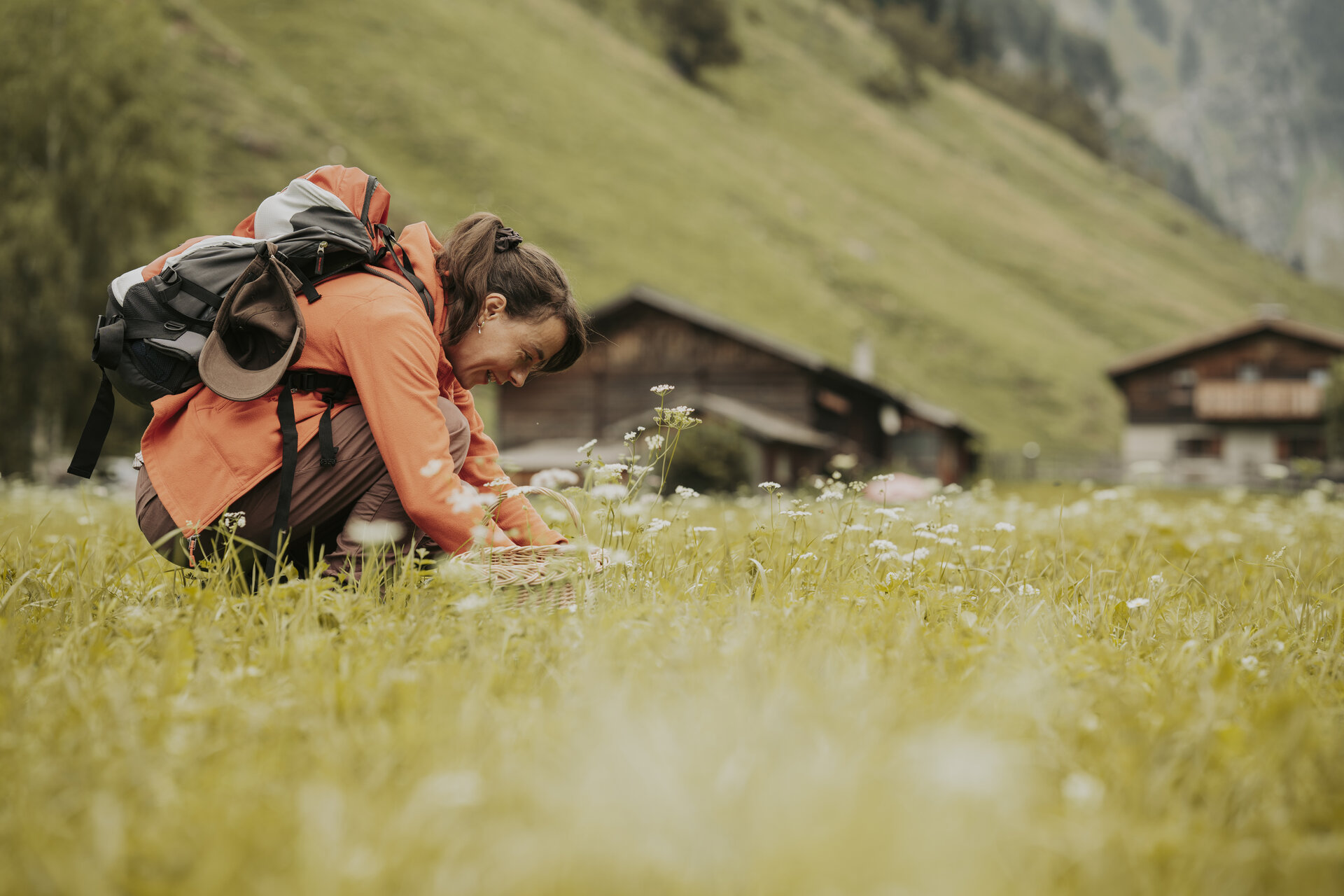
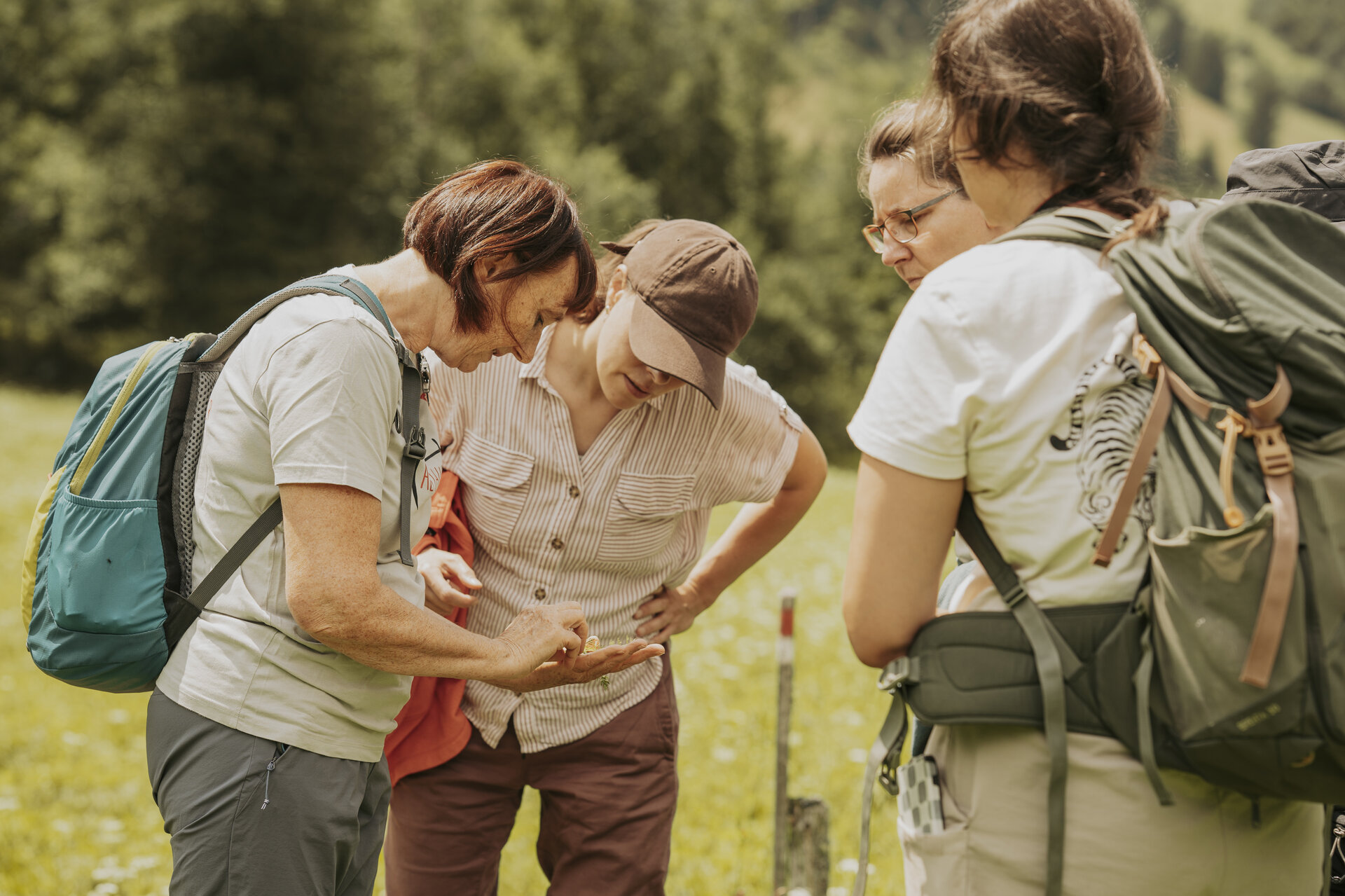
There are a few things to keep in mind when collecting plants. Use field guides to identify plants, and only take a plant with you if you’re 100% sure you’re holding the right one. Plants that haven’t bloomed yet are hard to identify—it’s better to wait until they bloom.
The best time to collect is in the late morning on a sunny day. Collect only in clean areas and avoid paths where dogs walk, roadsides, freshly fertilized meadows, or intensively farmed fields.
Always collect with care and restraint, leaving enough of the plant for nature and animals. Additionally, medicinal uses are not a substitute for seeing a doctor. Certain plants should not be used during pregnancy, while breastfeeding, or when taking medication.
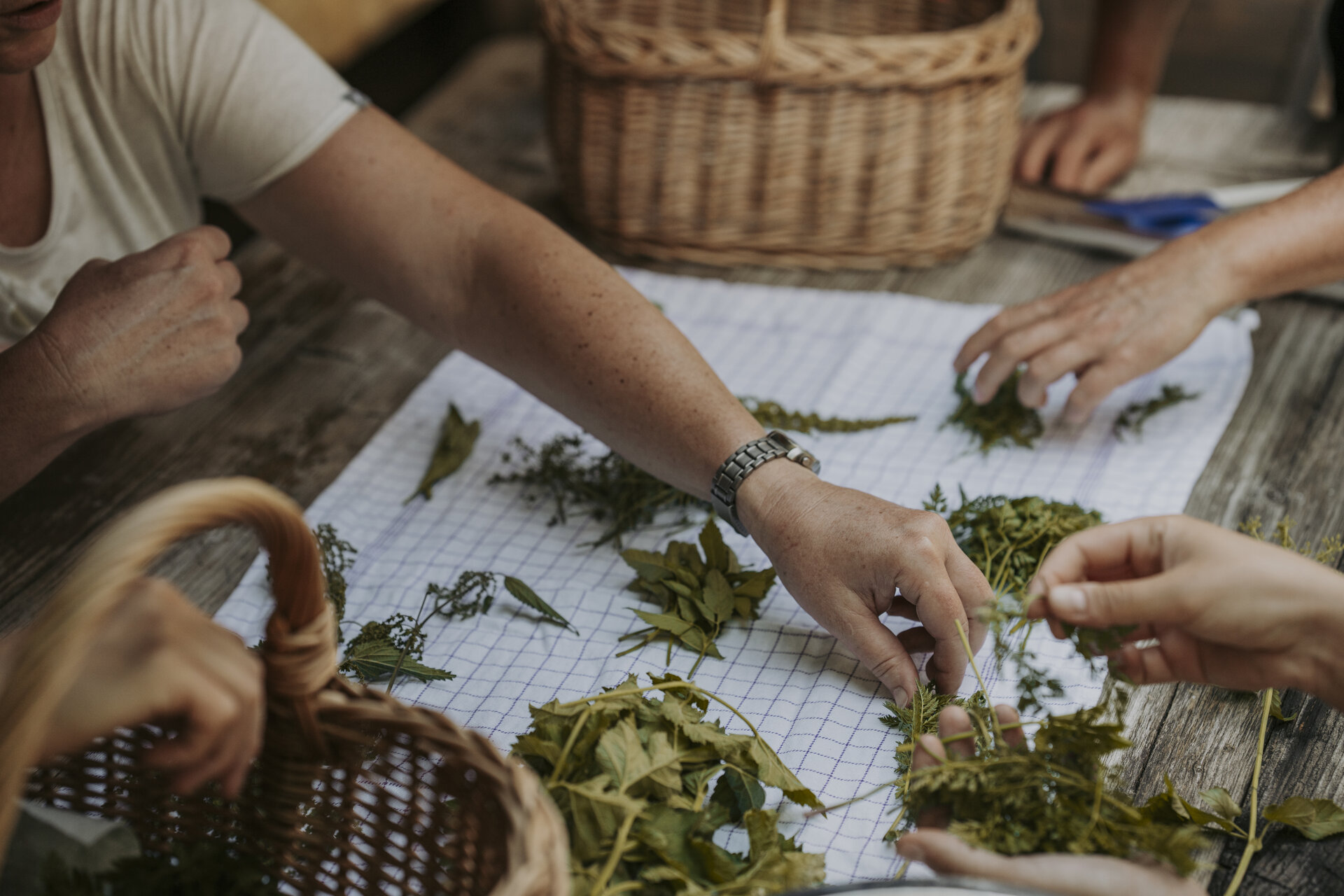
It’s best to place the herbs you’ve collected in a paper bag or a basket. To dry them, spread the herbs out at home, but avoid direct sunlight. If you plan to use only the leaves, pluck them from the stems before drying.
The stinging nettle blooms from July through October and grows to a height of 10–150 cm. It thrives especially in nutrient-rich areas such as forest edges, riverbanks, and gardens. With its green-and-white flower panicles and ovate, serrated leaves, it may seem unremarkable at first glance, but the stinging nettle possesses a surprising amount of plant power:
From March through November, the daisy blooms in wild meadows or along roadsides. The daisy’s leaves are oblong-ovate and grow to about 40 mm long and 20 mm wide. It follows the sunlight, opening its flower heads when the sun is out and closing them when it rains or when it gets dark. The daisy also belongs to the Asteraceae family.
This bee-friendly plant blooms from March through May and grows up to 30 cm tall. Dandelion seeds are spread by the wind and also by blowing on them, which is why the plant is nicknamed "blowball." Dandelions prefer to grow in nitrogen-rich (fertile) meadows, on gravel, and in gardens.
Depending on the season, we encounter a wide variety of plants in nature: After a long winter, invigorating and nourishing herbs begin to sprout. After that, the focus shifts primarily to gathering tender leaves and fragrant flowers.
In the fall, on the other hand, we find more robust plants: leaves and roots that sustain and strengthen us through the cold season with their concentrated energy.
Experience the power of nature and herbs in the Wipptal Mountains with the herbal course “The Scent of Herbs Meets a Mountain Climbers’ Village.”
More and more people are seeking the peace and strength of nature in their free time—they head to the mountains to let go, recharge, and ground themselves. Some feel a special energy there, begin to trust in the laws of nature, and realign themselves more closely with the natural cycle of the year.
In our herbalism course, we’d like to invite you to delve deeper into this power of nature. We’ll share ancient knowledge about herbs, familiarize you with their healing properties, and show you just how versatile and delicious they can be.
The starting point for our three-day course is the Alpine flower garden in Schmirn - a true paradise that is lovingly tended and maintained by 18 dedicated sponsors.