Back when Hintertux was still part of Schmirn...
100 Years Since Hintertux's Separation from Schmirn—A Joint...

150 years of the Brenner Railway - a journey through the history of the steepest Alpine railroad of its time
The Brenner Railway between Innsbruck and Bolzano is celebrating its 150th anniversary this year. In keeping with the theme, Hanns Jenewein presents himself and his unique model railroad layout in St. Jodok.
Hanns grew up in St. Jodok, right next to the Brenner Railway. His father, like himself, worked for the railroad. When Hanns was a little boy of 6, he had a very intense dream of an electric toy train. On January 19, 1999, Hanns finally realized his childhood dream and started building his masterpiece together with his son Peter. He began to transform a large basement room in his own house in St. Jodok into a miniature railroad world. Now, almost 20 years later, his work is complete. He looks proudly at the model railroad layout he created himself with the beautiful hand-painted landscape backdrop and shows me his most beautiful model trains.


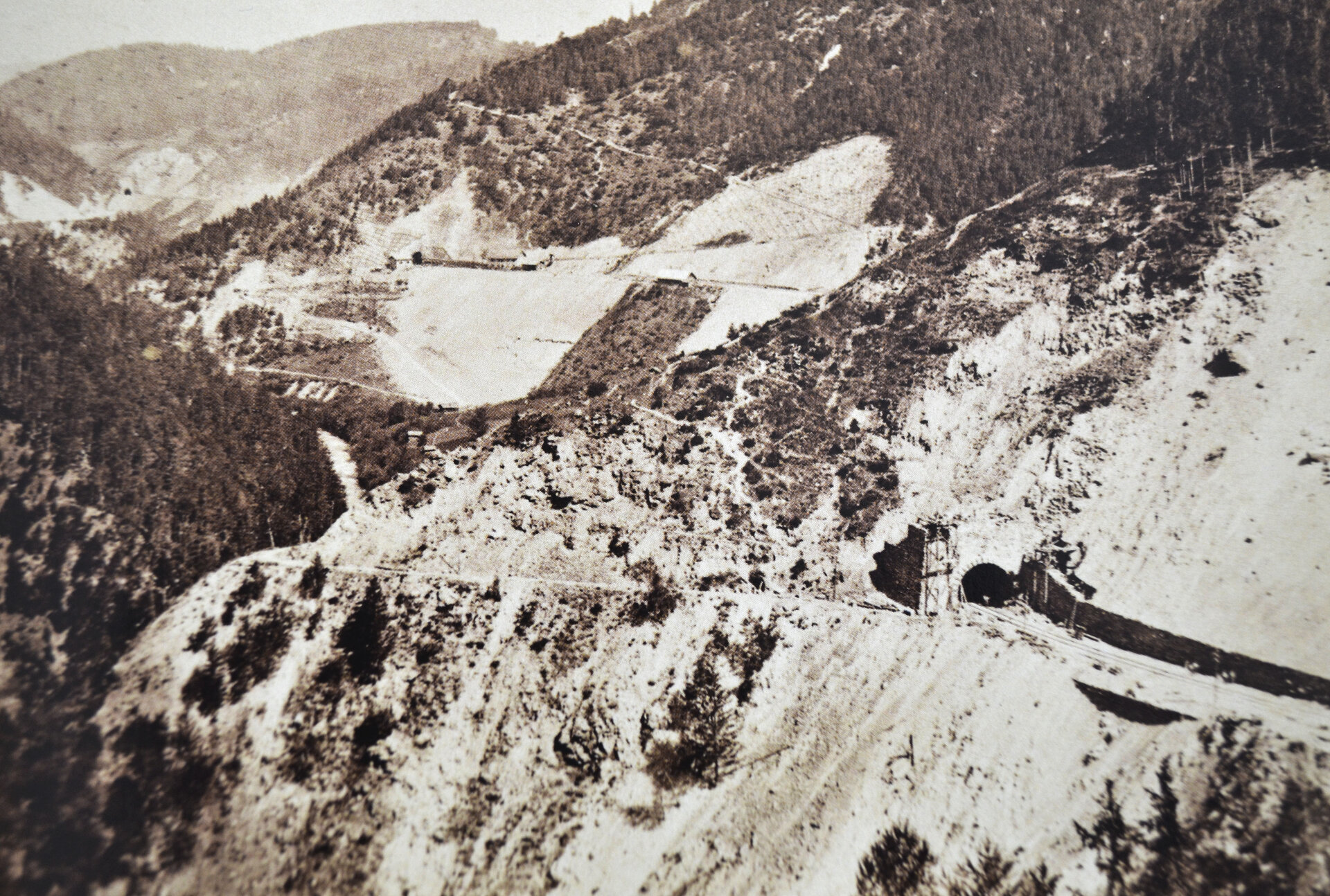
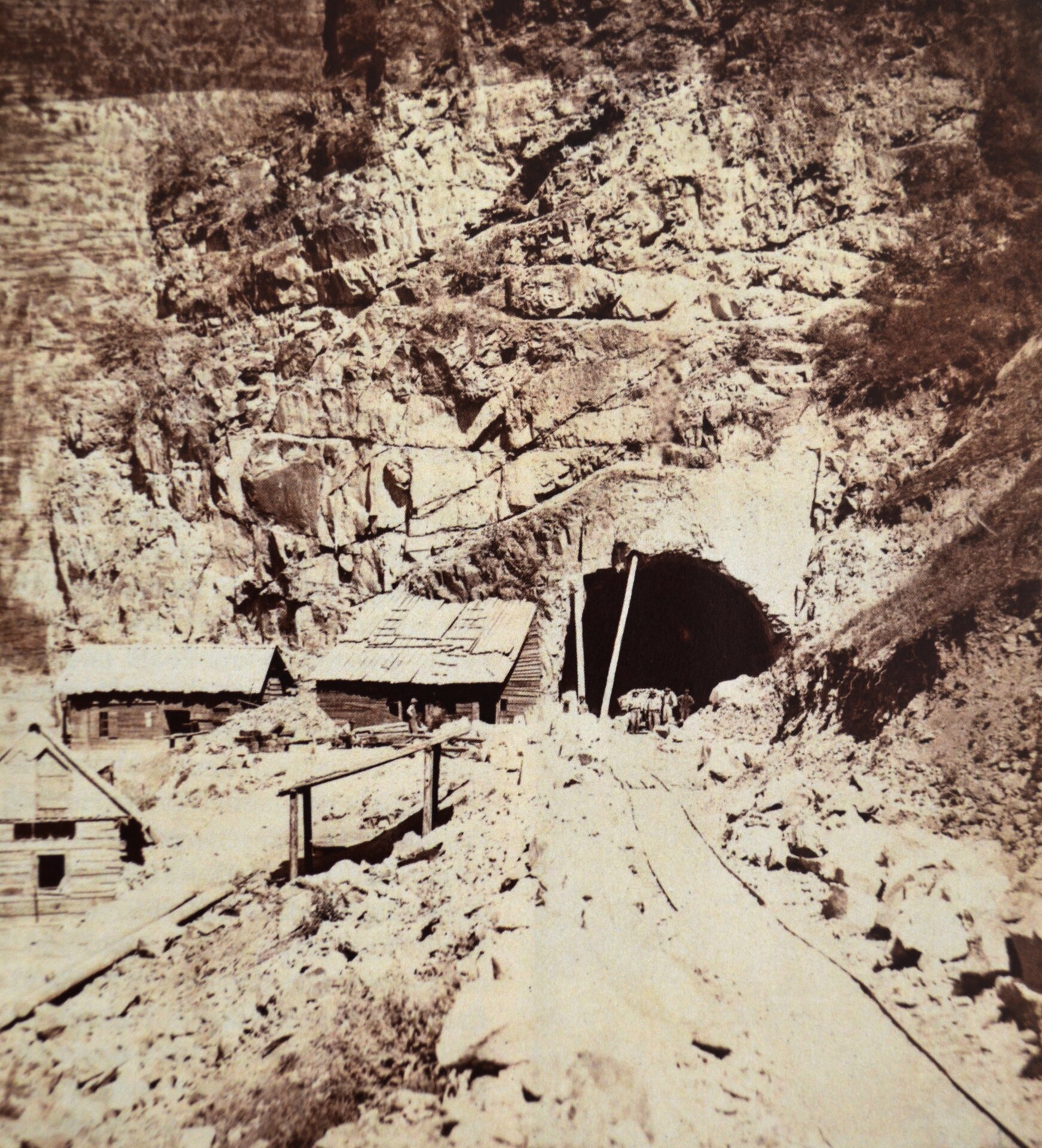
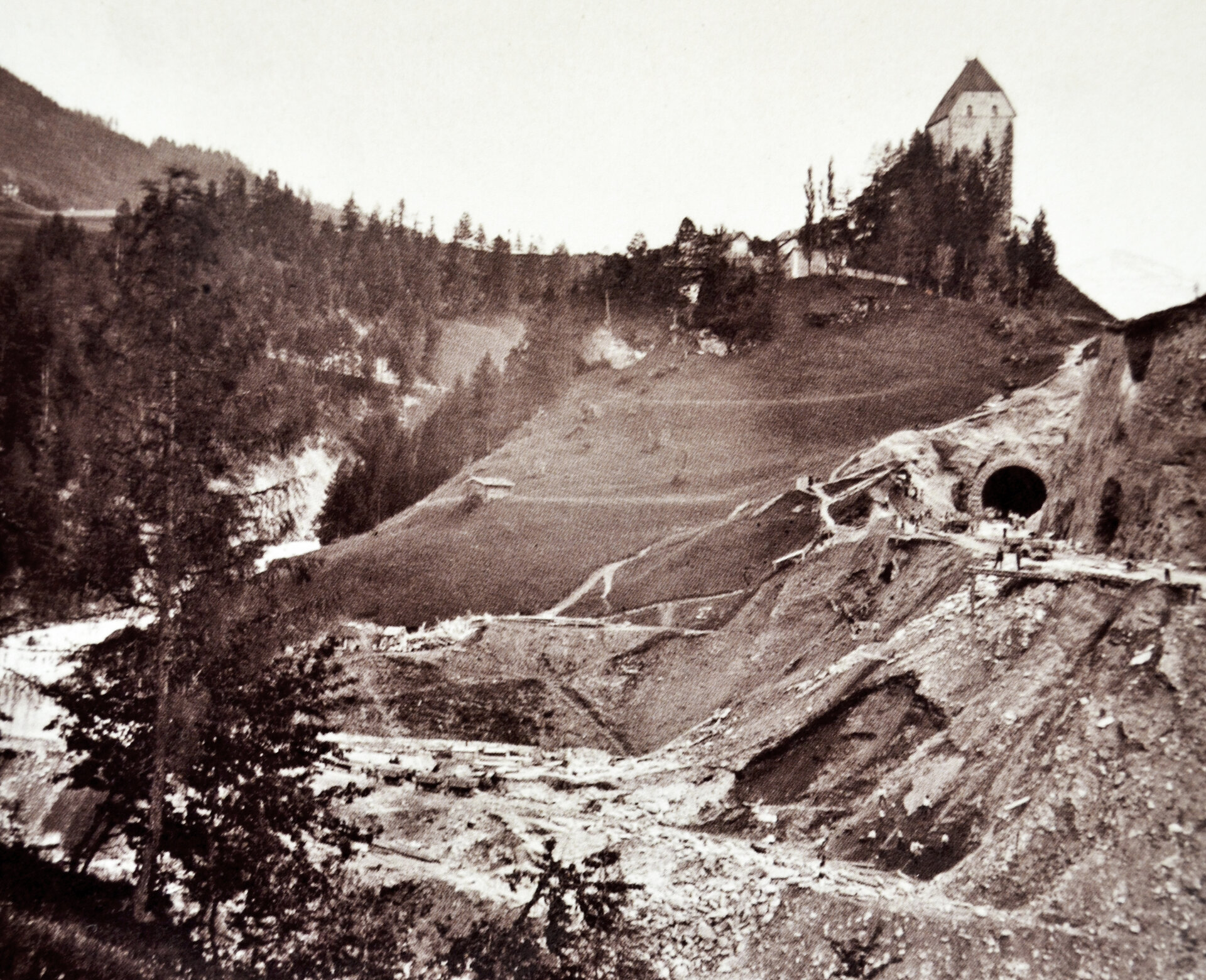
The construction of the Brenner Railway, the steepest Alpine railroad in the world at the time, brought with it enormous difficulties and challenges. On the 125 km long route between Innsbruck and Bolzano, 13 bridges, 22 tunnels and many protective galleries against rockfall and mudslides were built. For the first time in the history of railroad construction, so-called "helical tunnels", i.e. curved tunnels, were built. A special example is located near St. Jodok, where the railroad curves around the village in order to gain height and thus overcome the steep gradient. Carl von Etzel, an engineer from Württemberg, was responsible for the planning and construction of the railroad. Unfortunately, he died unexpectedly of a stroke in a goods wagon before the construction work was completed. His closest colleague, engineer Achille Thommen, completed the railroad construction.

Working on the computer in the office of the Federal Railways transit engineers helped Hanns in particular to fulfill his childhood dream, as all 96 trains and 266 LED lights are connected electronically via 7,000 m of wire and are controlled centrally via a computer. Hanns invested a total of 20,000 hours in the project, laying 750 m of model railroad track and creating a colorful world of houses, stations and landscapes.
In addition to the ingenious work of the master builders and engineers, the amazing achievement of over 20,000 nameless workers must not be forgotten in the construction of the Brenner Railway. With modest tools such as pickaxes, shovels, winches and pulleys, and despite the adverse conditions that prevail in the Alpine region, especially in winter, completion was achieved in 3.5 years. Mainly Welschtirolers, Italians, Slovenians and Croats were employed. The Brenner Railway was never officially opened due to a state mourning in the imperial house. No priest consecrated the railroad, no speaker mentioned the merits of the workers, no one commemorated the 223 workers who died in accidents.
Hanns lets his true-to-original electric model trains whizz through the miniature world of villages and rolling hills. From August 24, 1867, locomotives with passenger and freight trains whizzed and steamed through the Wipptal valley and over the famous mountain pass, which from then on connected north and south in the shortest possible time. Initially, the steam locomotives could only travel over the 25 per mille gradient at an average speed of 20 km/h and a maximum load of 130 tons. These locomotives did not even have a closed driver's cab, which was an imposition for the locomotive crew on the wind and weather-ridden mountain route. Although the engine drivers were known for being "tough dogs", the Southern Railway Company of the time soon understood and had new steam locomotives with a driver's cab built.
The line, which was initially single-track, was upgraded to double-track in 1908 and electrification was completed in 1928. During the Second World War, especially in 1944 and 1945, the railroad line was frequently the target of bombing raids with the intention of interrupting the important north-south connection. During this time, up to 288 trains ran on the line within 24 hours.


Although the railroad line over the Brenner Pass is constantly being expanded and improved, there is not enough capacity to shift more goods traffic from road to rail. For this reason, a possible "flat line" through the mountains was considered over 50 years ago. Now the Brenner Base Tunnel mega-project is already in the implementation phase and should be completed by 2032. The Brenner Base Tunnel provides an underground rail link between Innsbruck and Franzensfeste for freight and passenger traffic. With a total length of 64 km, this will be the longest underground rail link in the world. The name "Base Tunnel" is derived from the fact that the tunnel has only a minimal gradient and runs at the base of the Brenner mountains. This allows trains to cross the Alps at high speed and with a greater load.
Guided tours of the construction of the Brenner Base Tunnel can be booked here at the TVB Wipptal.
TIP: Visit the model railroad of Hanns Jenewein in St. Jodok. Registration by telephone: 0043 5279 5251

