5 Spiritual Power Spots in the Wipptal...
Unique places with fascinating histories
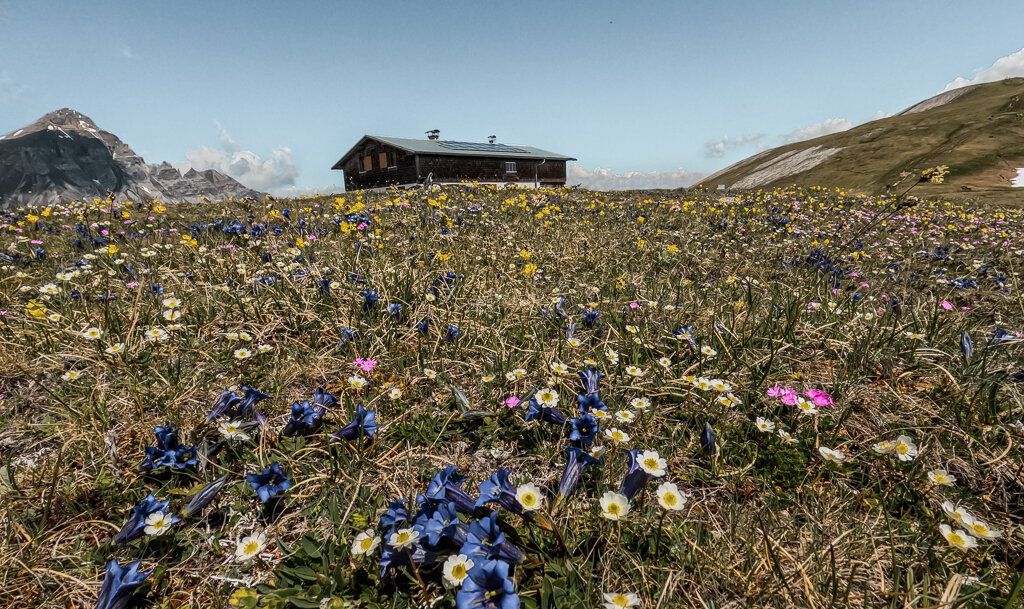

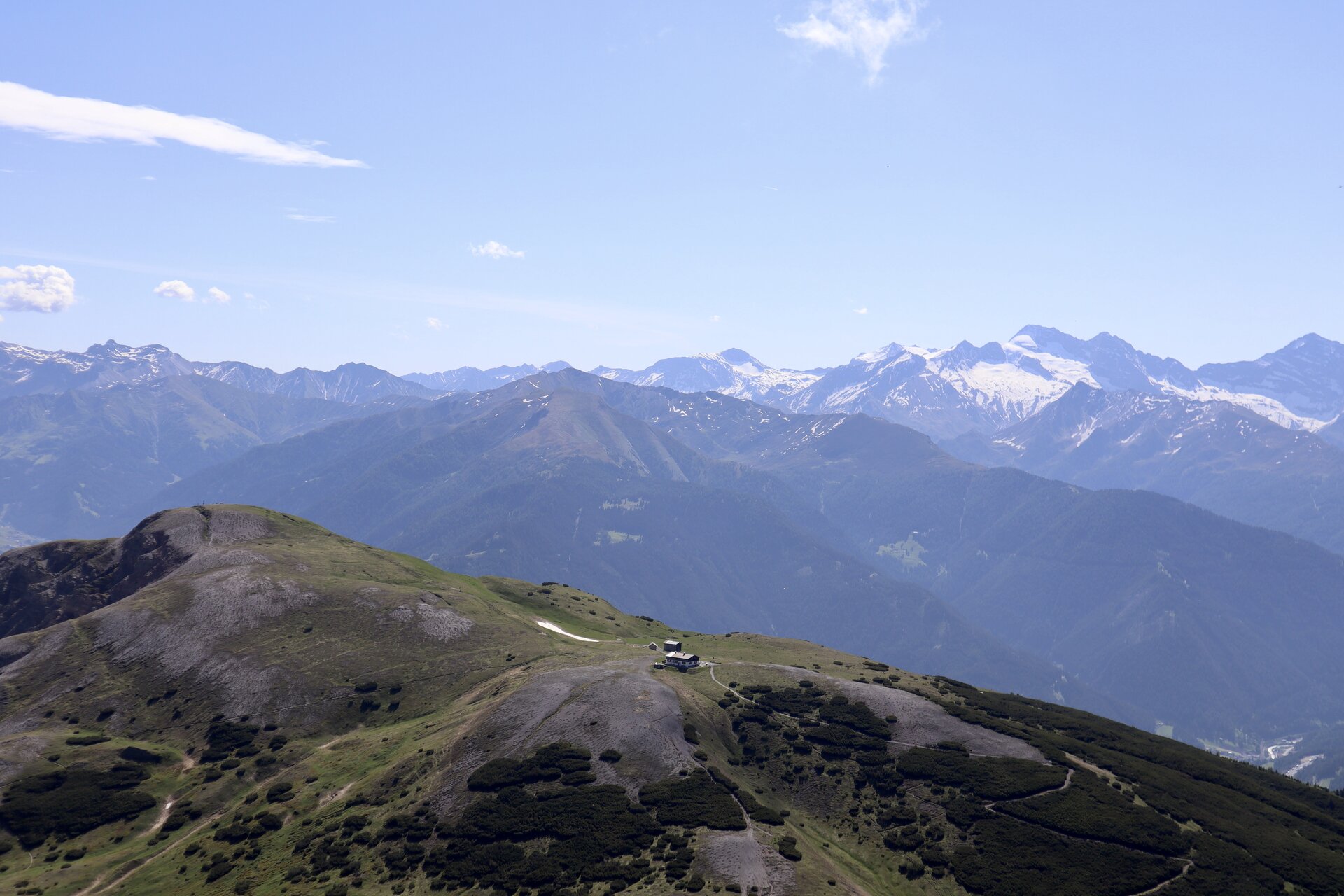
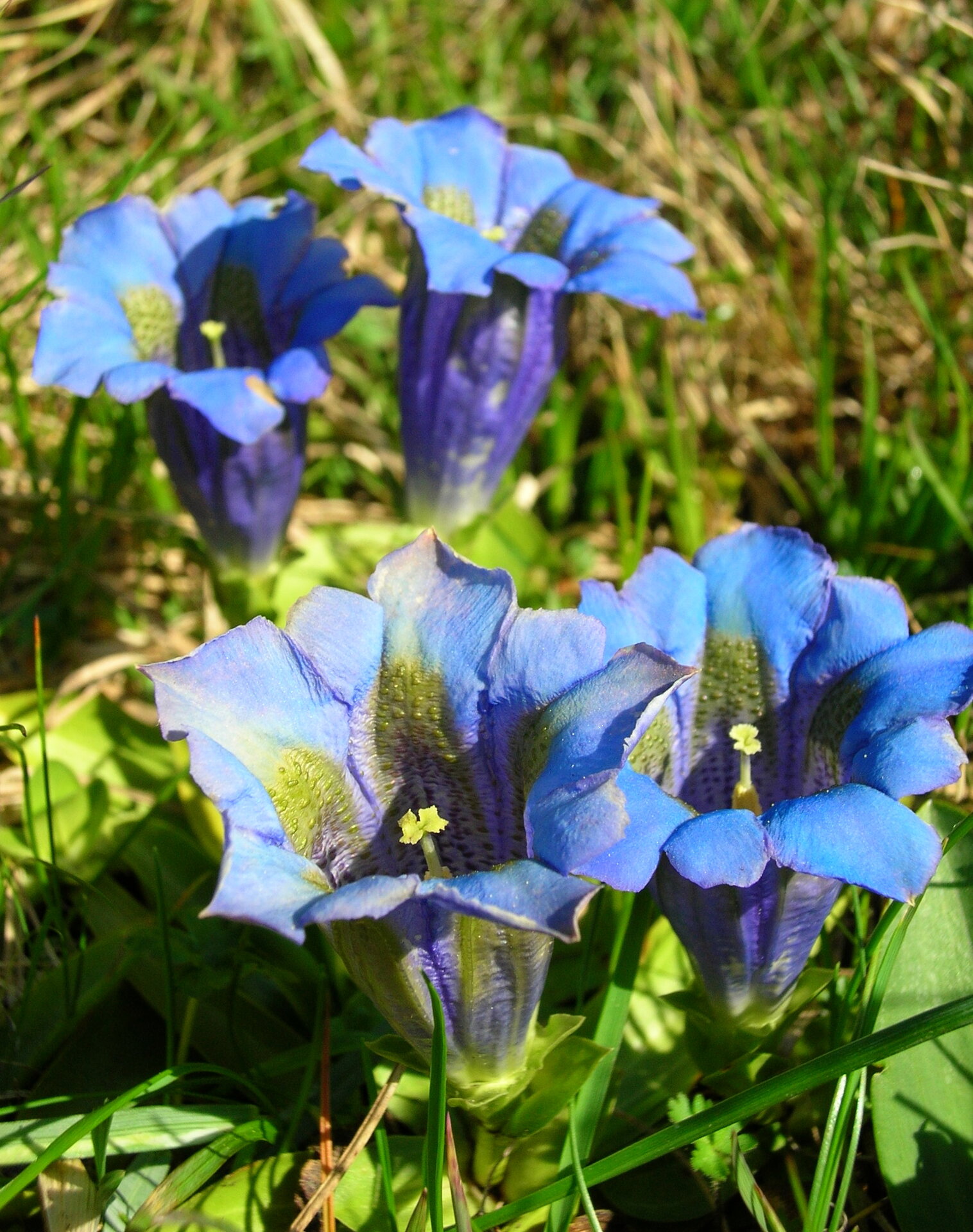
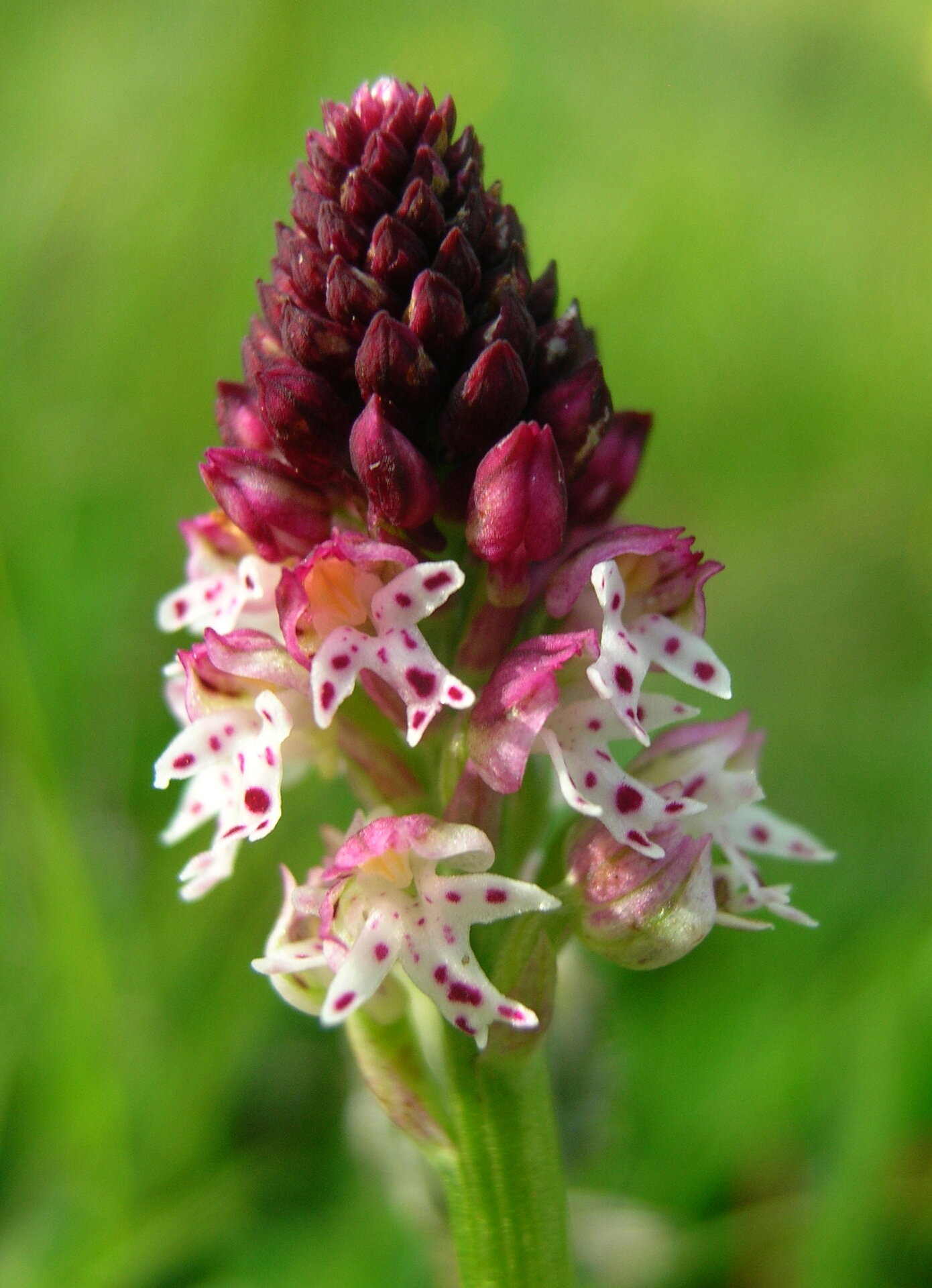
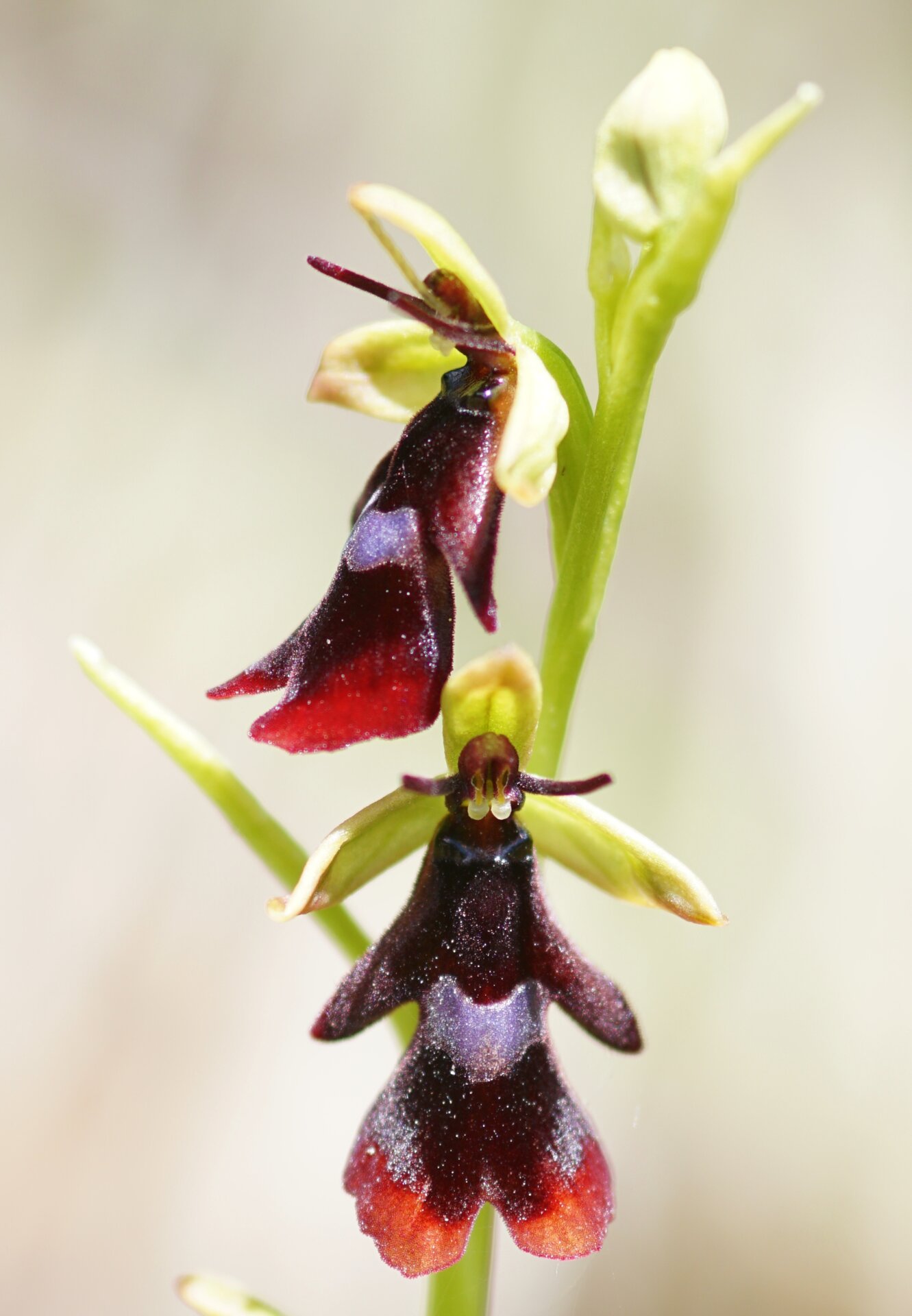
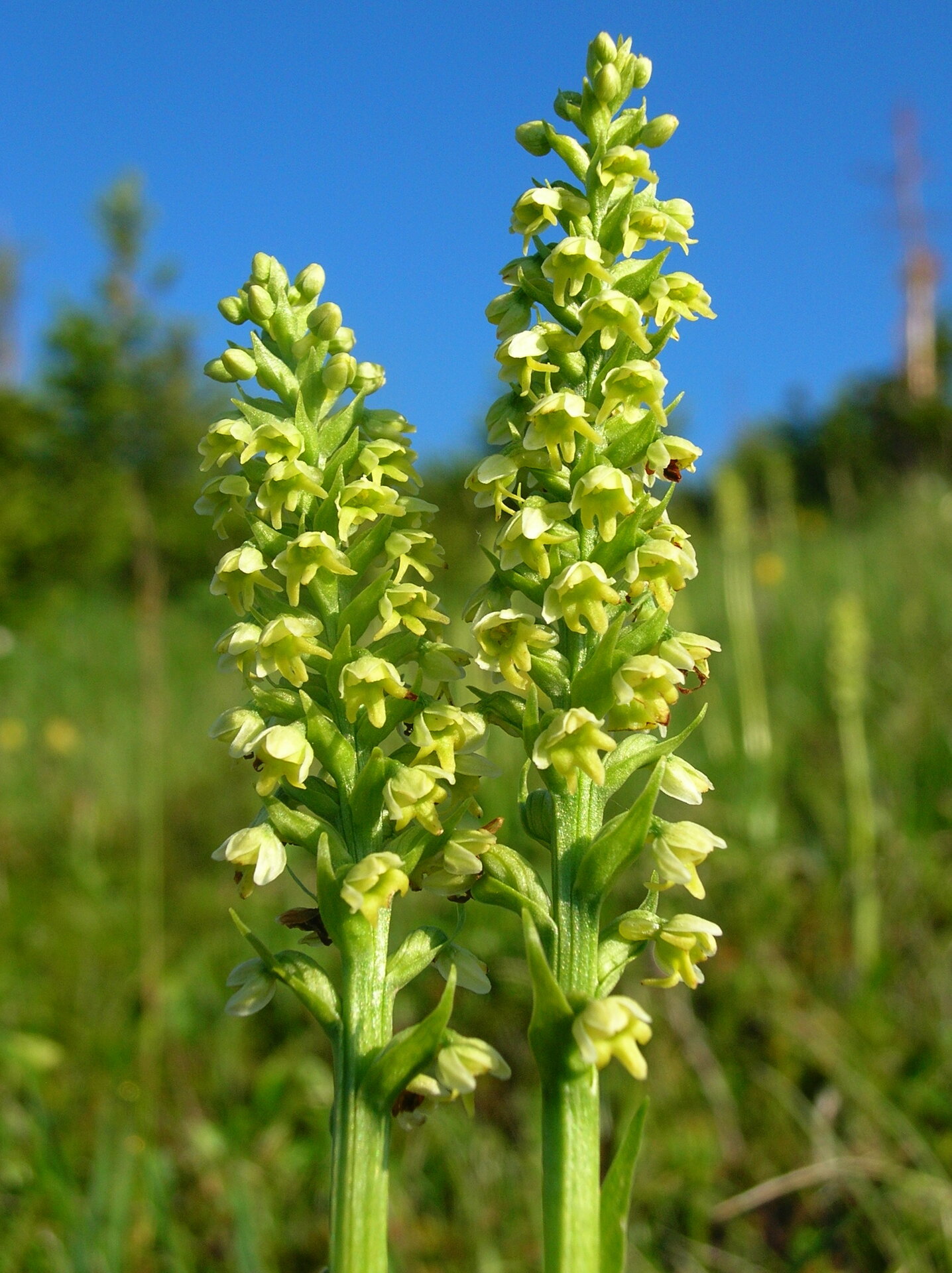
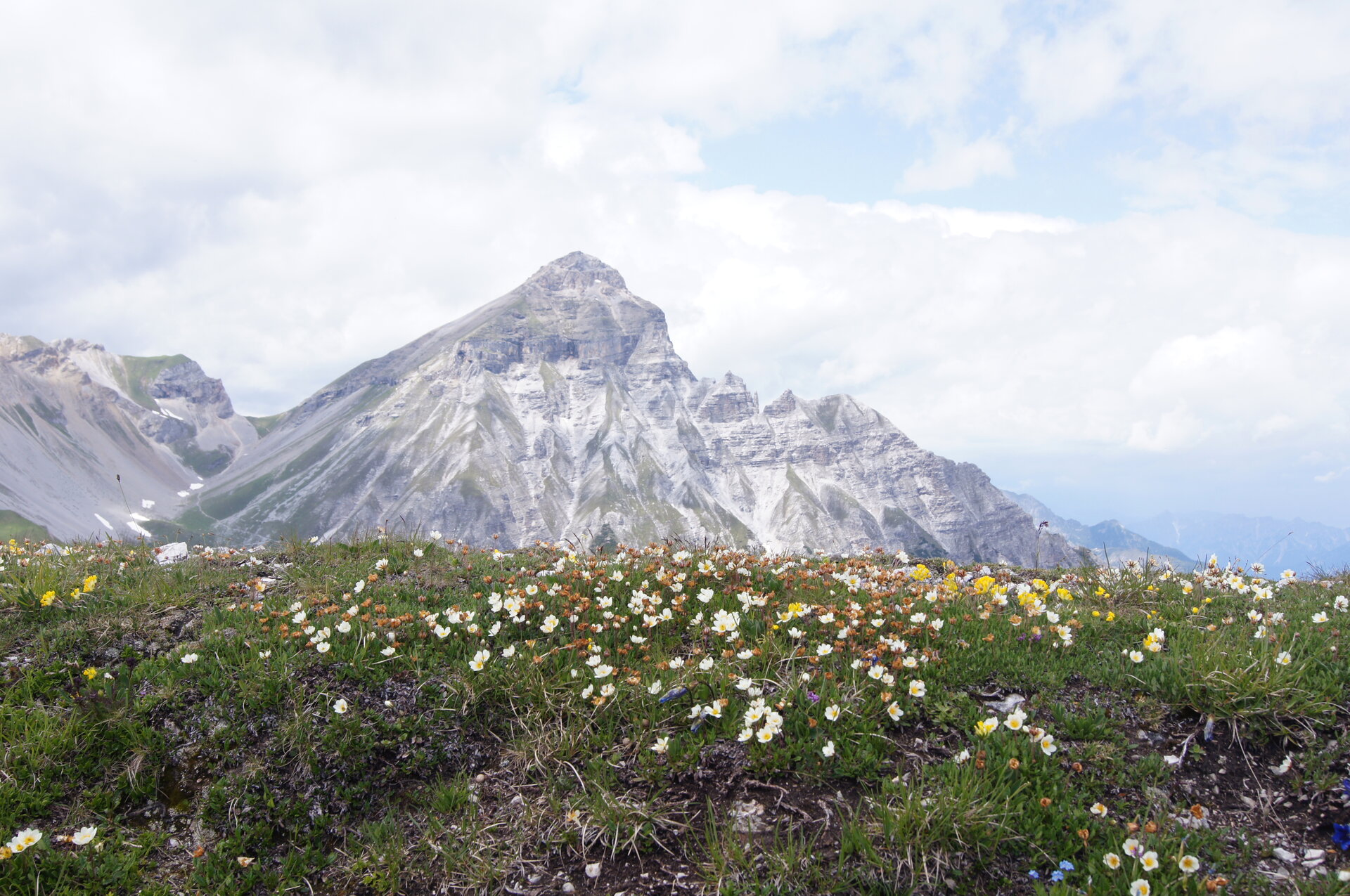
The Blaser is located in the Serles-Habicht-Zuckerhütl nature reserve in the mountaineering village of Gschnitztal and is considered the most flower-rich mountain in Tyrol. The Wipptal biologist Wolfi Bacher confirms that the mountain deserves this title. He knows of no other mountain in Tyrol where such a diversity of species can be found. The species richness ranges from a proud 20 orchid species to gentians, primroses and edelweiss and has several causes, as Wolfi reports.
Ideal conditions for the plant world
On the one hand, the complex geology of the Blaserdecke contributes to this. The mountain consists mainly of dolomite, which is very calcareous, but also contains silicate. Both substrates are home to different plants. As the Blaser contains both types of rock, plants from both rock worlds grow here.
Another important factor is the traditional management of the mountain meadows. The alpine meadows have always been mowed by the mountain farmers, but hardly ever fertilized. Agriculture has therefore made an important contribution to the fact that there is such a diversity of species on the Blaser and that this has been preserved.
The warm, dry climate in the Wipptal valley's foehn foothills also contributes to the wealth of biodiversity. The extreme locations on the Blaser, i.e. where it is most exposed to wind and weather, where there is a limestone subsoil and little soil, are the areas with the richest biodiversity. The more extreme the conditions, the more specialized the species and the greater the species richness.
In full bloom
The flowers are at their peak from mid to late June. The time window is heavily dependent on the weather in spring and the amount of snow from the previous winter. Due to climate change, the flowering period has shifted forward by 2-3 weeks in recent years. New flower species have not yet been added as a result of climate change. But the change is already noticeable in the insects. Wolfi, who grew up in Steinach, never saw a hornet here in the Wipptal as a child. A few years ago, he discovered the first specimens in his nature garden.
When I ask Wolfi if he can identify all the flowers on the Blaser, he says: "No, not all of them. There are some groups that are very difficult to distinguish, so I need the flower book and a magnifying glass for a clear identification."
Tip: Self-guided flower walk
Equipped with the orchid overview board or a guide, you can go on a treasure hunt and try to discover as many orchid species as possible. Please note: orchids and many other plants are protected and must not be picked!
Many paths lead up to the Blaser: the best route for the flower hike is the trail that starts above the church in the Leiten district of Trins (parking available at parking lot 1 at the entrance to the village or directly in the village of Trins). Find out more in our tour planner - click here.